Malaysia makes Arabic-script calligraphy optional for non-Malay schoolchildren after outcry
- Critics had complained the move represented the ‘Islamisation’ of education and would not help students improve their language skills
- The form of calligraphy, known as ‘khat’, is based on a script that was formerly the standard for writing Malay before the Latin alphabet
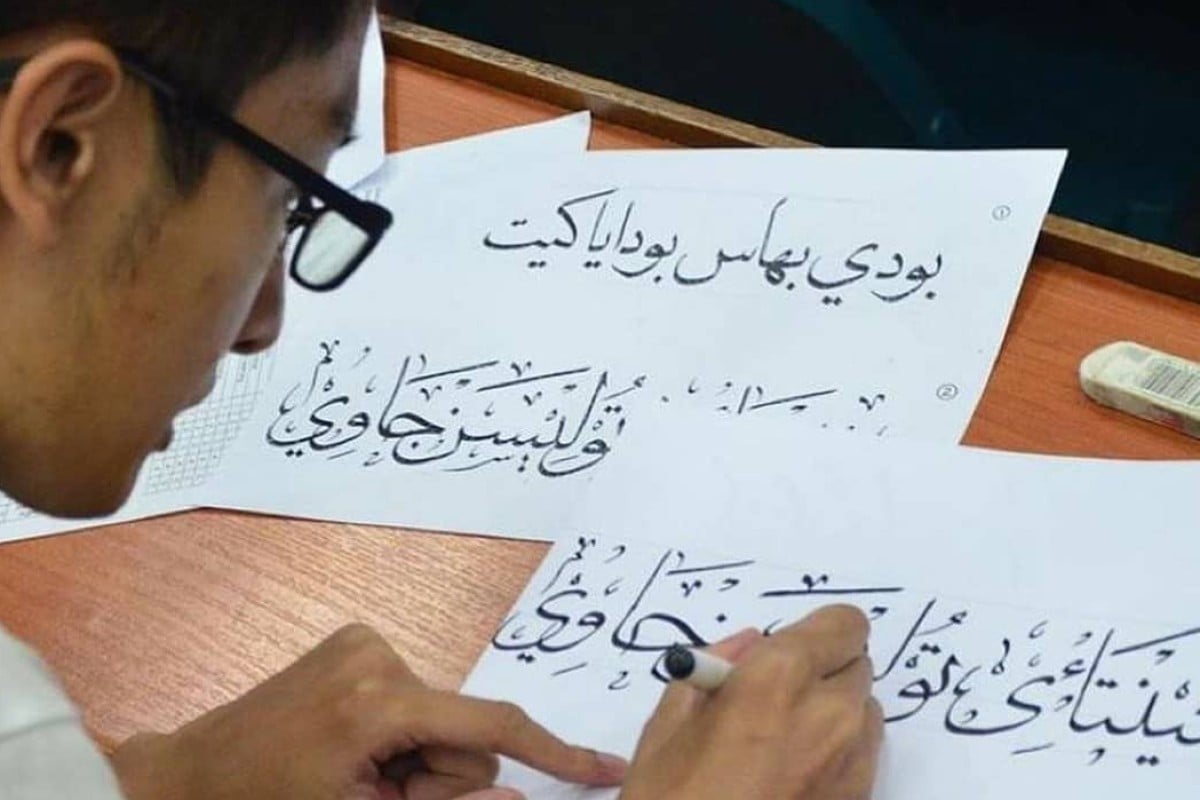
After weeks of furore, the Education Ministry said on Thursday that the cabinet had decided khat would be optional for primary schools that teach in Mandarin and Tamil, while khat-related content would be reduced from six pages to just three of a 164-page textbook.
The topic will also not be subject to “any form of exams, tests or assessments”, Education Minister Maszlee Malk confirmed. In a statement, the ministry also expressed hope that khat would no longer be “misrepresented” and confuse the public.
Khat is a calligraphic form of Jawi, an Arabic-based script that was formerly the standard for writing Malay – the national language – before being was replaced by the Latin alphabet.
In multiracial Malaysia there are public primary schools that teach in English and Malay, as well as those that teach in Tamil or Mandarin, allowing children from the country’s three largest ethnic groups to learn in their mother tongue.