The Philippines has a plastic pollution crisis on its hands and poverty makes it even worse
- Single-use sachets are sold in most developing countries but the number consumed in the Philippines is staggering – 163 million pieces a day
- For the multinationals that manufacture them, it’s a way to increase sales by targeting customers who cannot afford bigger quantities

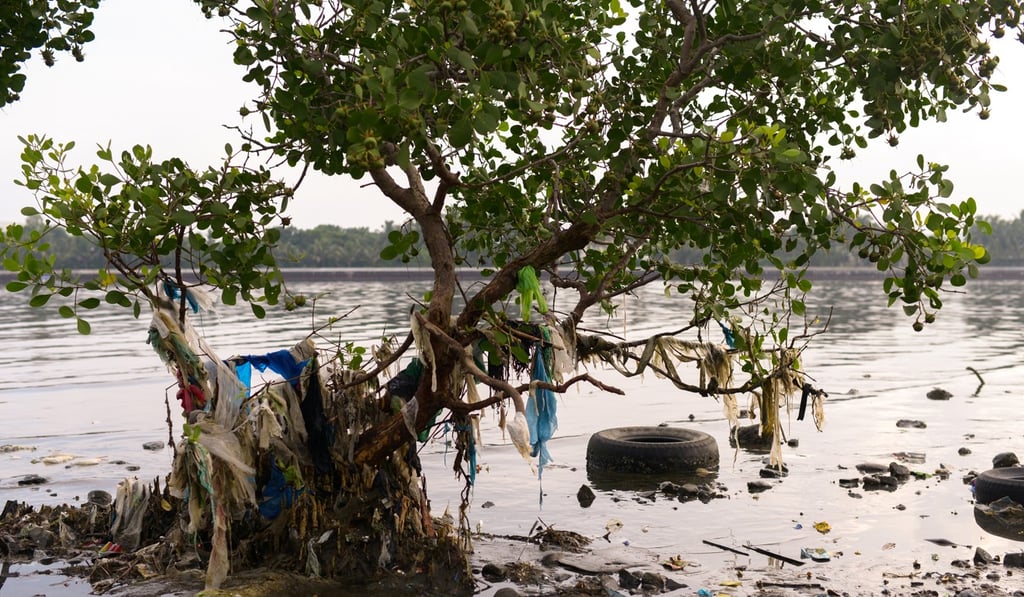
No one lives on the island, yet each morning its shores are covered in garbage, much of it single-use sachets of shampoo, toothpaste, detergent and coffee that are carried out to sea by the rivers of overcrowded Manila.
“We collect mostly plastics here and the number one type are sachets,” said Gualva, one of 17 people employed by the environment agency to help preserve the island and its forest. The agency, the Department of Environment and Natural Resources (DENR), calls them “Mangrove Warriors”, and pays them slightly above US$8 per day.
Five days of coastal clean-up on the Manila Bay island last month yielded a total of 16,000kg of trash, DENR data showed, the bulk of it plastics, including the sachets made of aluminium and blends of plastics.
Such sachets are sold in most developing countries but the number consumed in the Philippines is staggering – 163 million pieces a day, according to a recent study by environment group The Global Alliance for Incinerator Alternatives (GAIA). That’s almost 60 billion sachets a year, or enough to cover 130,000 soccer fields.