Mahathir stands by Kashmir comments amid India palm oil boycott, says countries should abide by UN resolutions
- ‘We speak our minds and don’t retract or change,’ the Malaysian leader told reporters although he acknowledged the boycott could exacerbate what he described as a trade war between both sides
- Meanwhile, another Malaysian minister warned that new rules from the European Union could hurt demand for palm oil in food products, dealing a huge blow to the industry

The impasse could exacerbate what Mahathir described as a trade war between the world’s second biggest producer and exporter of the commodity and its biggest buyer so far this year.
Indian Prime Minister Narendra Modi’s government removed the long-standing autonomy of India’s portion of the Kashmir valley on August 5, calling it an internal matter and criticising countries that have spoken out against the move.
We speak our minds and we don’t retract or change
“We speak our minds, and we don’t retract or change,” Mahathir told reporters outside parliament. “What we are saying is we should all abide by resolutions of the [United Nations]. Otherwise, what is the use of the UN?”
The UN Security Council adopted several resolutions in 1948 and in the 1950s on the dispute between India and Pakistan over Kashmir, including one that said a plebiscite should be held to determine the future of the region.
The Solvent Extractors’ Association of India said in a statement on Monday that traders should in their “own interest as well as a mark of solidarity with our nation ... avoid purchases from Malaysia for the time being.”
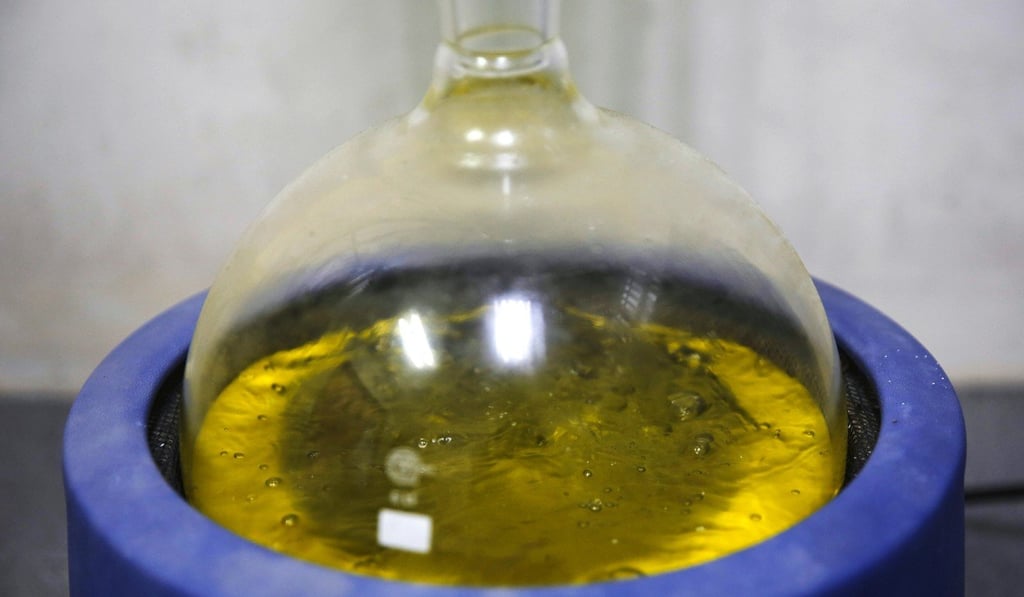
Mahathir said Malaysia, the world’s second-biggest producer of palm oil behind Indonesia, would study the impact of the boycott and look at ways to address the issue. New Delhi has so far refused to comment on the trade spat.