Drought drives Vietnam’s Mekong Delta to declare state of emergency
- A total of 33,000 hectares of rice fields have been damaged and nearly 70,000 households are suffering from a lack of water
- Reasons for the drought and salinity intrusion include a lack of rain, growing water consumption and increased water storage in dams
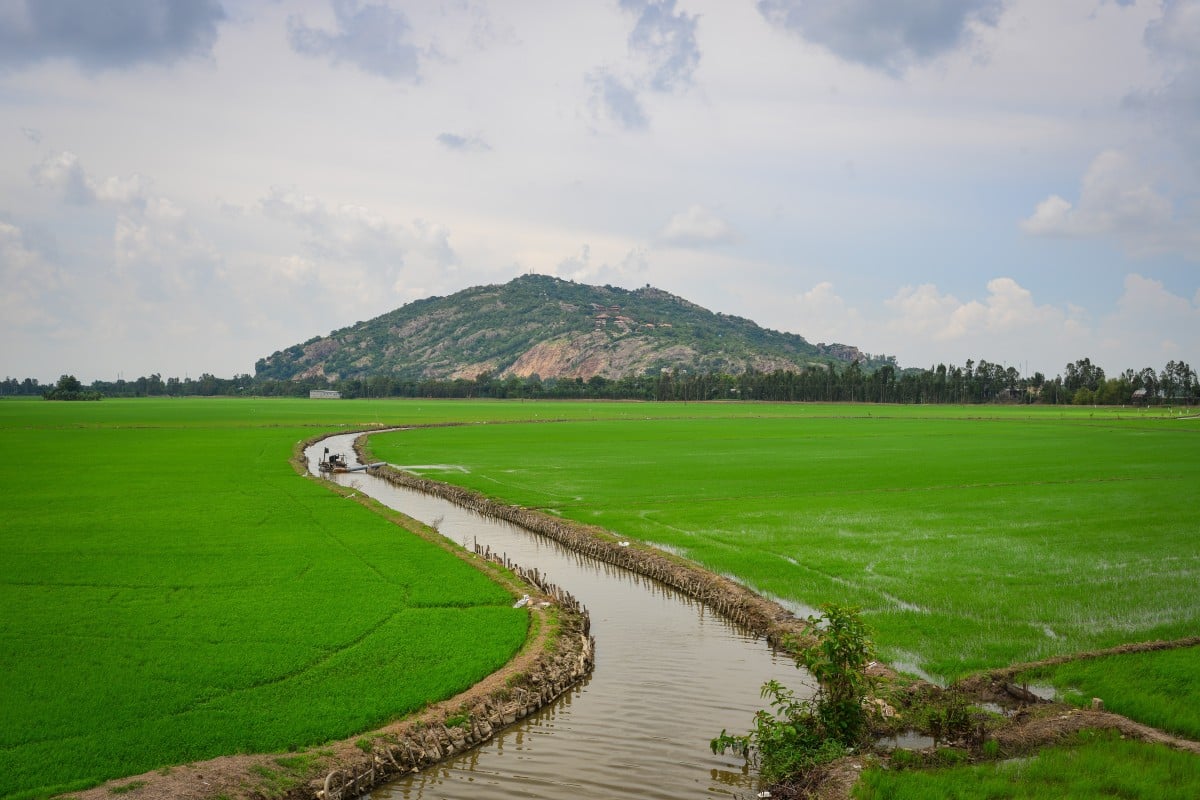
“This year’s drought and salinity have been way more devastating than what we saw four years ago,” said Nguyen Thien Phap, head of the water resources department in Tien Giang, one of the provinces that announced the emergency in the Mekong Delta.
The Mekong Delta, which produces more than half the country’s rice, has so far seen a total of 33,000 hectares of rice fields damaged and nearly 70,000 households suffer from lack of water, Vietnam National Television reported on Friday, citing the latest data from the country’s department of water resources.
Salinity of four grams a litre will continue to spread in the Delta, affecting as much as 110 kilometres in some major estuaries this month, according to a report by the Southern Institute of Water Resources Research in Ho Chi Minh City. That is three to five kilometres more than in the same period in 2016.