Coronavirus: Singapore’s home-based food businesses hit hard by circuit breaker measures
- Singapore introduced strict measures to curb the spread of Covid-19, including limiting business activities and restricting movement
- But this is affecting many entrepreneurs who work from home, especially over Ramadan and the Hari Raya Puasa festival

She had started Gourmet by CT, which operates via Instagram, in 2014 after leaving her full-time job as a traffic controller. Her husband, too, left his job as an auxiliary police officer in 2016 to help her when her business started to pick up.
The pair cook and sell savoury Malay-Western fusion meals such as lemak chilli padi pasta and rendang pies as well as sweet treats such as the traditional Malay horseshoe-shaped cake, tapak kuda. Buyers were able to pick up these food items at the couple’s home or have them delivered by couriers.
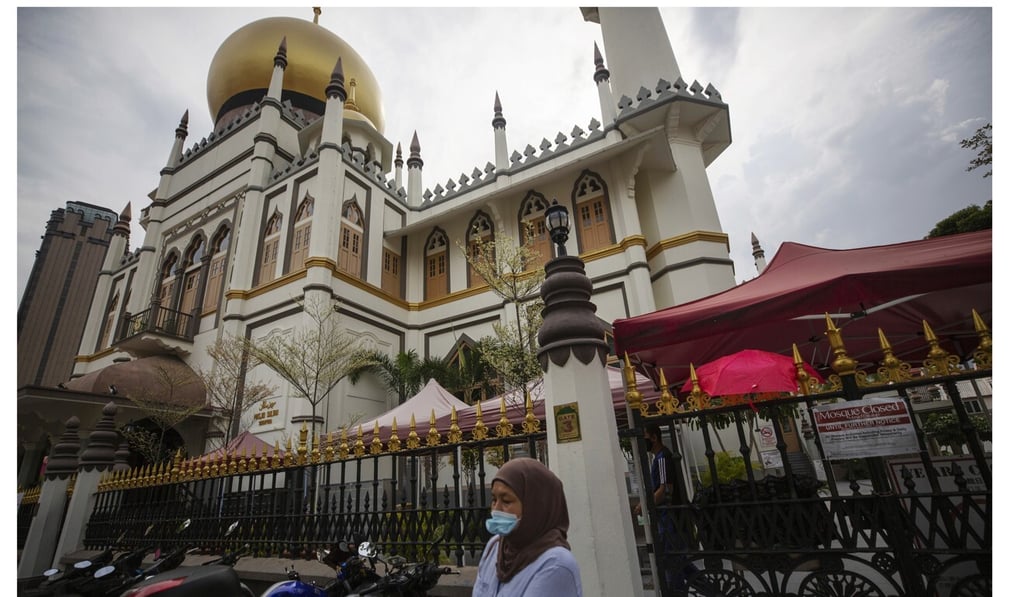
Just as she was getting back into the swing of things after the birth, confirming orders for the holy month of Ramadan and Hari Raya Puasa, a major religious festival for Muslims, news emerged on April 26 that home-based businesses, including those dealing in food and beverage (F&B), must meet certain criteria to keep operating or face a S$1,000 (US$700) fine.
The government said these businesses can remain open if they only operate online without requiring business owners or workers to leave their homes, and do not require customers or third-party delivery services to collect or deliver goods at the residences.
“We were speechless when we heard the news. We have no idea how things are going to pan out. I had postnatal depression after giving birth to my first child so I’m really trying to stay calm but with everything that’s going on, I’m not sure how to handle it,” Siti said. Her first child is two years old.