Advertisement
Singapore reviews sale, slaughter of wild animals at wet markets, but says risks are low
- MP Louis Ng asked whether the environment ministry would ban soft-shelled turtles at wet markets owing to the risk of viruses such as Covid-19
- Minister Amy Khor said transmission risks are low if food safety and hygiene standards are maintained
Reading Time:2 minutes
Why you can trust SCMP

The Singapore government is reviewing the sale and slaughter of live animals at wet markets, Dr Amy Khor, Senior Minister of State for the Environment and Water Resources, said on Tuesday.
The relevant agencies are doing so while taking into consideration international benchmarking and scientific evidence, she added.
Her comments were in response to a parliamentary question from MP for Nee Soon Group Representation Constituency Louis Ng. He asked whether her ministry would consider banning the display, slaughter and sale of wild-caught live soft-shelled turtles at wet markets in Singapore owing to the risk of viruses being transmitted from animals to humans.
Advertisement
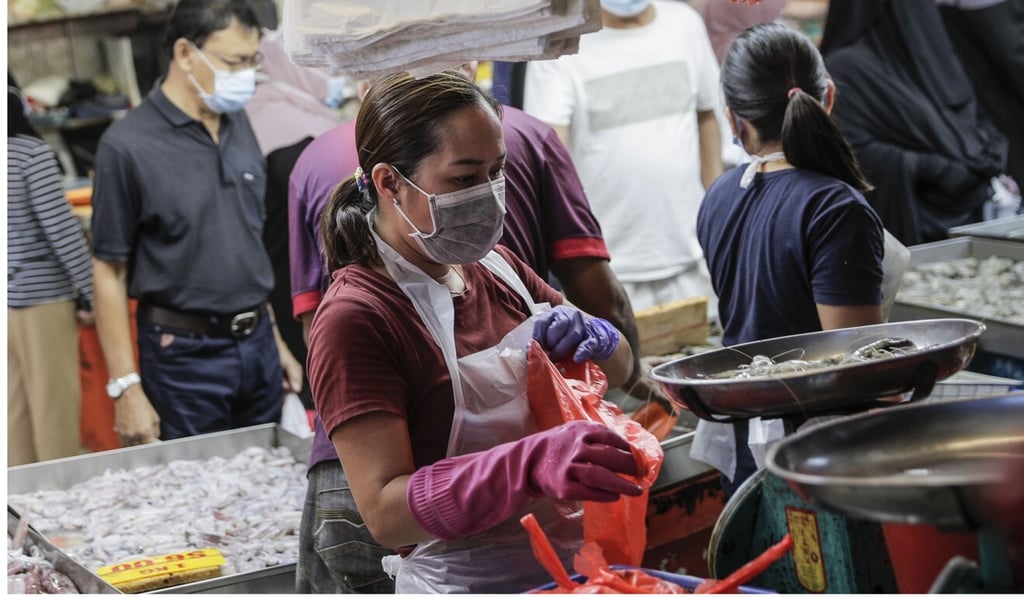
The Straits Times reported on April 20 that a wet market in Chinatown Complex was selling live animals, such as soft-shelled turtles, bullfrogs and freshwater eels, which are slaughtered for customers to take home.
Advertisement
The issue of wet markets has become a cause for concern globally as the Covid-19 virus is said to have originated from a live seafood market in Wuhan, China, where creatures such as bats and snakes were sold. It is believed that the coronavirus was first hosted in bats, before being transmitted to humans.
Advertisement
Select Voice
Choose your listening speed
Get through articles 2x faster
1.25x
250 WPM
Slow
Average
Fast
1.25x