Singapore scientist’s clean, green way to upcycle smelly old chilli crab
- Crab and shrimp shells, while smelly nuisances in the rubbish, contain valuable building blocks for a US$1.9 billion feedstock industry
- The problem is, breaking them down has typically required caustic chemicals that are harmful if released into the environment

“At that moment, I realised how much shelled waste there was in the region,” said Yan, now an associate professor at the university. “I’ve always wanted to start a project to make value out of large quantities of waste.”
Crab and shrimp shells, while smelly nuisances in the rubbish, are composed of valuable building blocks for a US$1.9 billion industry providing feedstock to sectors from agriculture to biomedicine. The problem is, breaking them down has typically required caustic chemicals that are harmful if released into the environment.
Yan is part of a niche movement of firms and researchers trying to find cleaner ways to convert seafood shells into chitin and its refined cousin chitosan, a type of sugar with antibacterial and anti-fungal properties that can be used in wound dressings, cataract surgery, food supplements and a host of other applications.
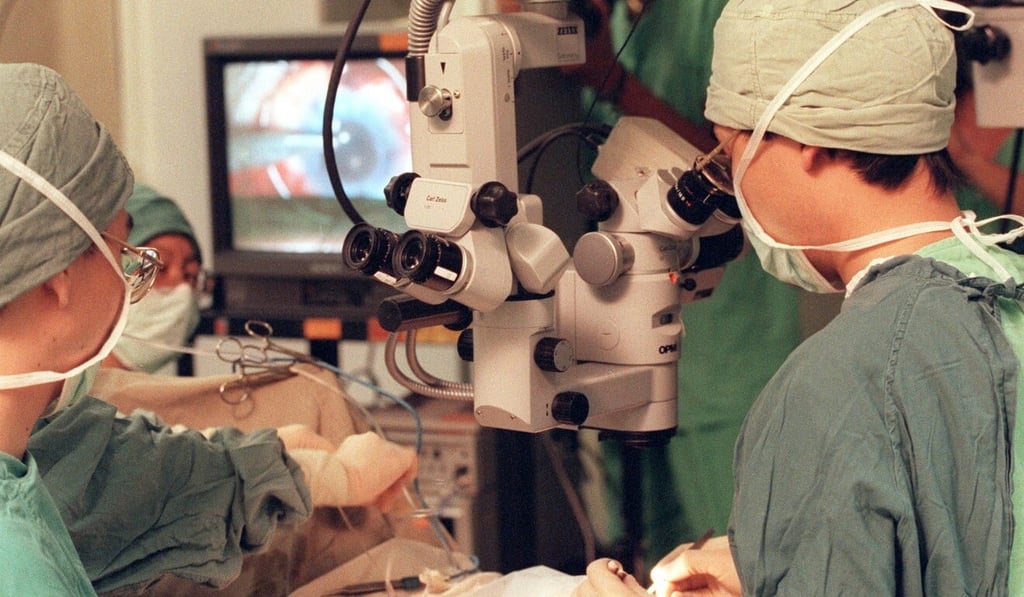
Indeed, demand for chitosan is expected to grow at about 11 per cent per year through 2030, according to Nandini Roy, of London-based business analysis firm Future Market Insights.
The substance is typically made by soaking the shells in hydrochloric acid and hydrogen peroxide, Roy said. It’s cheap, but the chitosan it produces does not work well for sensitive applications like biomedicine. Other researchers are trying to extract the substance using bacteria and enzymes.