Tiger, pangolin farming in Myanmar risks ‘boosting China demand’, conservationists warn
- Myanmar was already an illegal wildlife trafficking hub before it quietly gave the go ahead to commercial farming of endangered species last month
- The country’s Forest Department says farming is a way to help reduce poaching of wild species and illegal breeding

The Southeast Asian nation is already a hub for the illegal trafficking of wildlife, a trade driven by demand from neighbouring China and worth an estimated US$20 billion worldwide.
In June, Myanmar’s Forest Department quietly gave the green light to private zoos to apply for licences to breed 90 species, more than 20 of which are endangered or critically endangered.
It was an unexpected move that caught conservation groups off guard but was explained by the Forest Department as a way to help reduce poaching of wild species and illegal breeding.
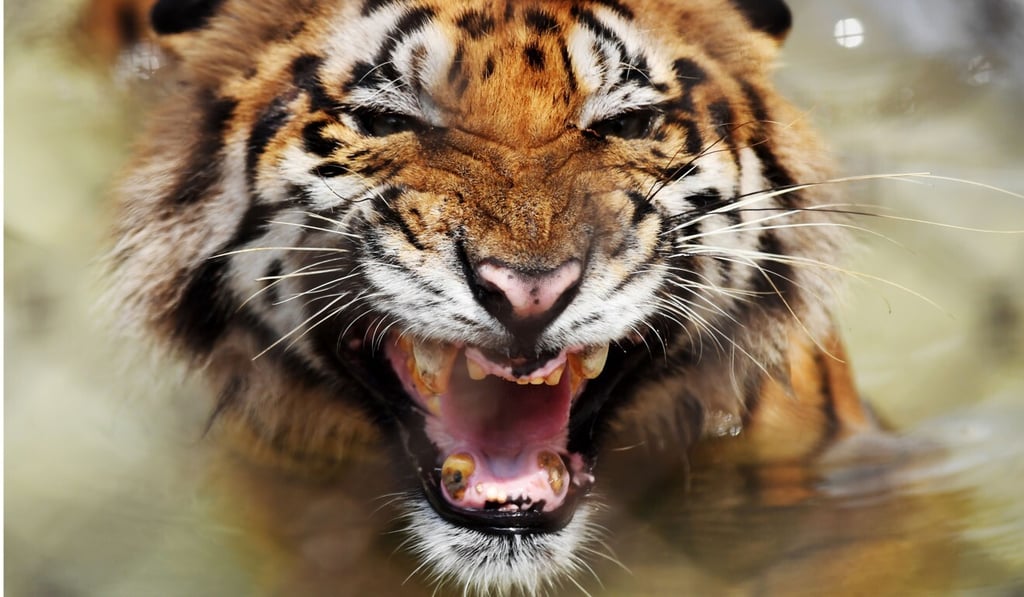
Tigers – thought to number just 22 in Myanmar – pangolins, elephants and various vulture species as well as the critically endangered Ayeyarwady dolphin and Siamese crocodile can now also be bred for their meat and skin.
But conservationists say commercial farming in the long-term legitimises the use of endangered species and fuels market demand.