Thailand reports breakthrough in murder case of Japanese tourist Tomoko Kawashita
- The tourist’s body was found near the ruins of an ancient temple in Sukhothai province in 2007 and DNA samples were taken from 379 Thai men
- But new techniques have revealed the suspect is East Asian, and police want DNA from the Japanese man who was seen with the victim

Justice Minister Somsak Thepsuthin said the Department of Special Investigation has informed Japanese officials of the finding that might help identify the killer of Tomoko Kawashita. He said a DNA sample found on the clothing of the 25-year-old victim has been identified as belonging to an East Asian man.
A Japanese man who was seen entering Thailand with Kawashita was initially a person of interest to Thai police, but left Thailand soon after the killing. He was not officially named as a suspect.
Kawashita’s body was found near the ruins of an ancient temple in the northern province of Sukhothai on May 25, 2007. Police said she was stabbed and her belongings taken. They collected DNA samples from Thai men living in the area who were also interrogated.
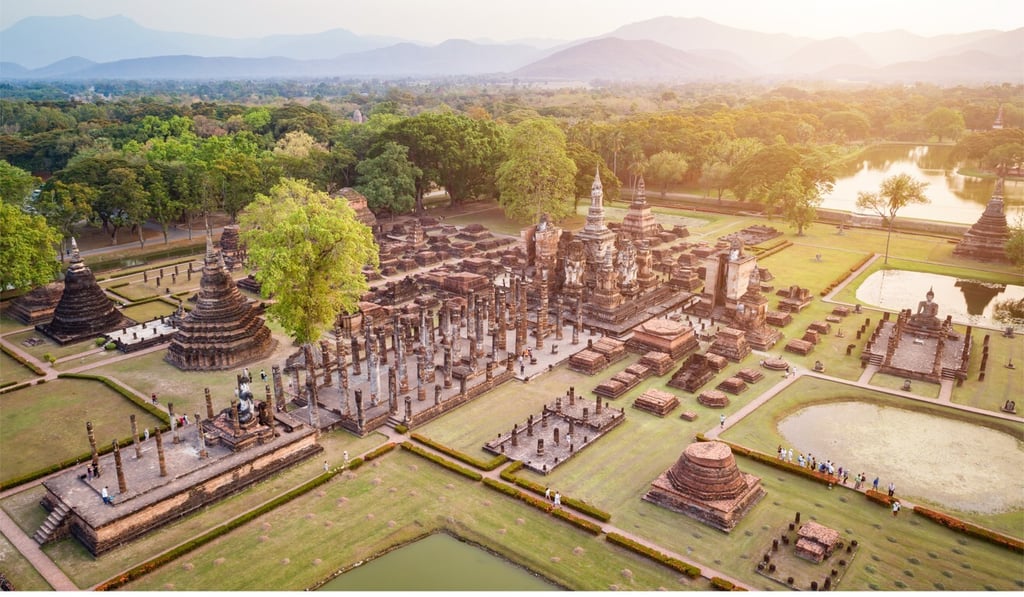
After Sukhothai police failed to make any progress in the case, it was transferred in 2013 to the Department of Special Investigation, Thailand’s version of the FBI. They extended the search for the culprit, interrogating more people and doing more work with DNA.
DNA samples were taken from 379 Thai men during the investigation. “But all of them did not match with the DNA found on the victim’s pants, therefore, we had to alter our investigative techniques,” Somsak said at a news conference.