Coronavirus: Southeast Asian countries choose to reopen, balancing virus with economy
- Nations are being worn down both by the economic costs from Covid-19 lockdowns and an increasing sense of exhaustion among their populations
- There is a shift to treating Covid-19 as endemic, with Malaysia, Indonesia and Thailand emulating Singapore’s strategy of learning to ‘live with the virus’
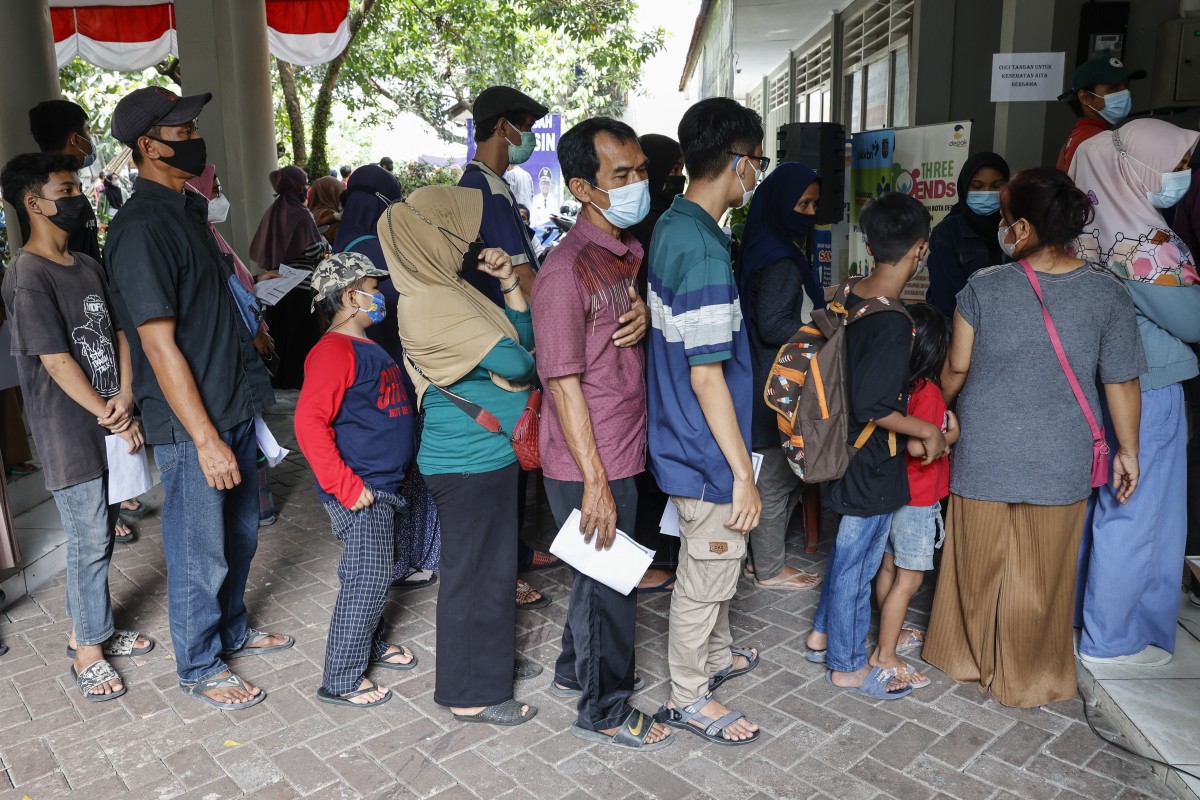
On the factory floors of Vietnam and Malaysia, in the barbershops of Manila or office towers of Singapore, regulators are pushing forward with plans to reopen, seeking to balance containing the virus with keeping people and money moving. That is leading to a range of experiments including military-delivered food, sequestered workers, micro-lockdowns and vaccinated-only access to restaurants and offices.
In contrast to Europe and the US, which have already moved down the reopening path, the region’s low vaccination rates leave it among the world’s most vulnerable to the Delta variant. But with state finances stretched by previous rounds of stimulus and dwindling monetary policy firepower, lockdowns are becoming less tenable by the day.
“It’s a tricky balance between lives and livelihoods,” said Krystal Tan, Australia & New Zealand Banking Group economist, noting that even Singapore has struggled with infection spikes despite having a world-leading vaccination rate.
The risks of stop-start reopenings are higher in the rest of the region, where coverage is considerably lower, Tan said.
Southeast Asia’s factory shutdowns have rippled across the world to create supply chain hiccups, with carmakers including Toyota slashing production and clothing retailer Abercrombie & Fitch warning the situation is “out of control”.