China challenges hit Singapore’s GIC as world’s third-largest sovereign wealth fund turns 40
- With an estimated US$744 billion under management, Singapore’s GIC has never had so much money – nor faced as many challenges trying to manage it
- Two investment pillars that helped fuel its success – China and bonds – are now under siege from inflation, geopolitics and regulatory crackdowns

As the world’s most acquisitive sovereign wealth fund turns 40, it’s never had so much money to manage – nor faced more challenges trying to manage it.
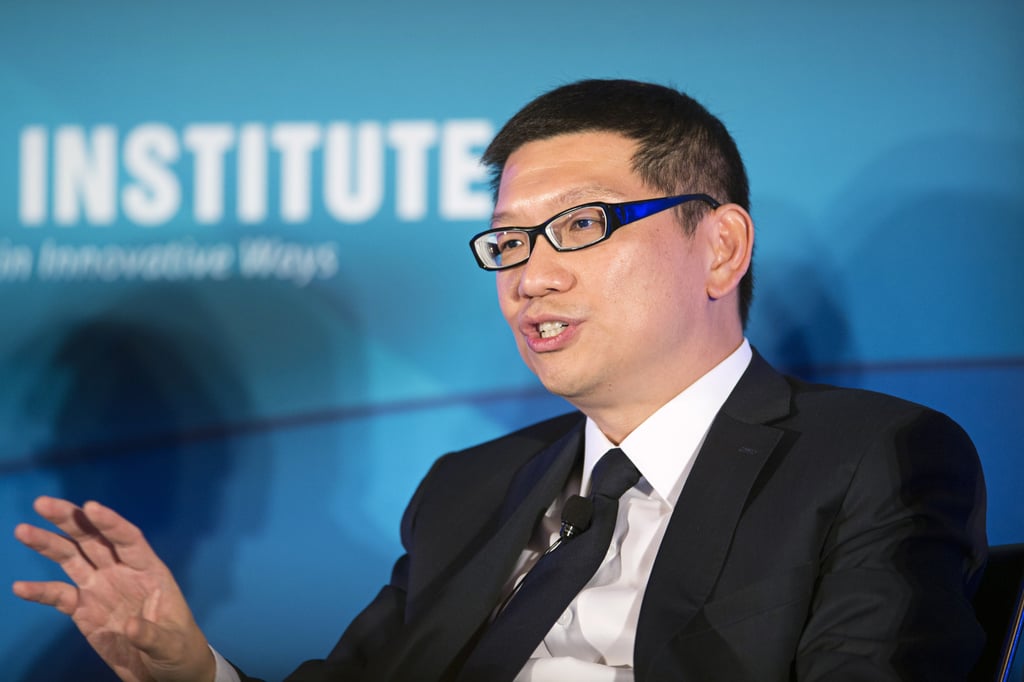
“Our expectation going forward is that the challenges are big and varied and there aren’t a lot of historical precedents,” said CEO Lim Chow Kiat, a GIC veteran of 28 years, in a rare interview. “The last time we had a serious inflation problem I was just born.”
GIC was founded in 1981 to help manage the excess reserves for a fledgling 16-year-old country. Launched with a handful of local staff, borrowed office equipment and three fund managers from US firms, it has since grown into a quiet giant in global finance.
Even by the secretive standards of sovereign wealth funds, GIC stands apart for its riches and discretion. It does not release annual returns and will not say how much it manages, though estimates from data providers put it as high as US$744 billion. New rules passed in parliament could raise that to almost US$900 billion, making it the third-largest fund of its kind after Norway and China.