Singapore gives Japanese scientist top award for waste water technology invention
- Kazuo Yamamoto, a 67-year-old professor emeritus at the University of Tokyo, is the first Asian to win the Lee Kuan Yew Water Prize and S$300,000 (US$221,000)
- He developed the submerged membrane bioreactor, which recycles water, takes up less space than conventional systems and consumes much less energy

Singapore named a Japanese scientist as the recipient of the Lee Kuan Yew Water Prize for inventing an efficient waste water treatment technology that has helped the city state recycle its scarce water resources.
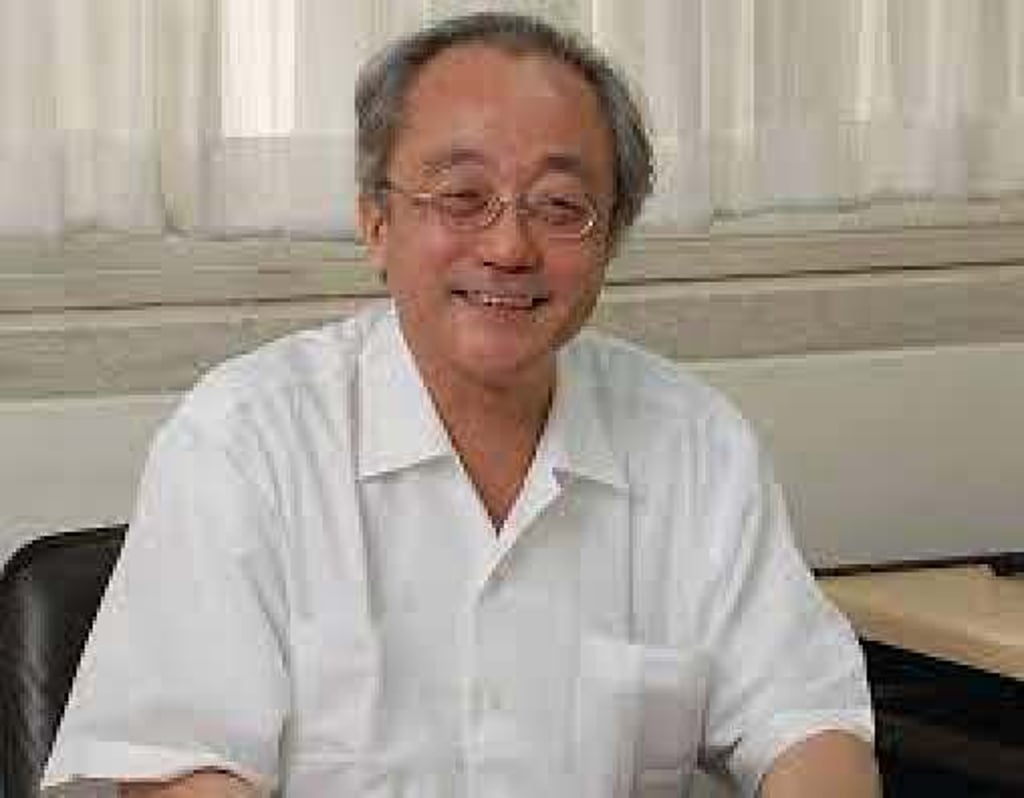
Kazuo Yamamoto, a 67-year-old professor emeritus at the University of Tokyo, was recognised for developing the so-called submerged membrane bioreactor in the late 1980s that was viewed as a breakthrough in the field of waste water treatment.
At an award announcement event in Singapore, Ng Joo Hee, head of the national water agency, said the technology helped boost the city state’s production of recycled water.
Yamamoto is the first Asian to win the prize, which is named after Singapore’s first prime minister, Lee Kuan Yew. The award and S$300,000 (US$221,000) in prize money will be presented to him on April 18.
The use of membranes for the treatment of waste water had existed before Yamamoto came up with his prototype but earlier versions could not be implemented on a large scale because they consumed a huge amount of energy and the membranes also fouled easily.