Myanmar online wildlife trade on rise, says WWF report; threat to public health and endangered species
- Illegal deals rose 74 per cent over a year and nearly all were sales of live animals; Of 173 species traded, 54 are threatened with global extinction
- Animals included civets, which along with pangolins have been identified as potential vectors in the spread of diseases such as Sars and Covid-19

A report by the World Wildlife Fund shows illegal purchases of wildlife online are growing in Myanmar in a threat both to public health and to endangered species. The report issued Friday found that enforcement of bans on such transactions has weakened amid political turmoil following a 2021 military takeover.
The number of such dealings rose 74 per cent over a year earlier to 11,046, nearly all of them involving sales of live animals. For the 173 species traded, 54 are threatened with global extinction, the report said.
Researchers identified 639 Facebook accounts belonging to wildlife traders. The largest online trading group had more than 19,000 members and dozens of posts per week, it said.
The animals and animal parts bought and sold involved elephants, bears and gibbons, Tibetan antelope, critically endangered pangolins and an Asian giant tortoise. The most popular mammals were various species of langurs and monkeys, often bought as pets.
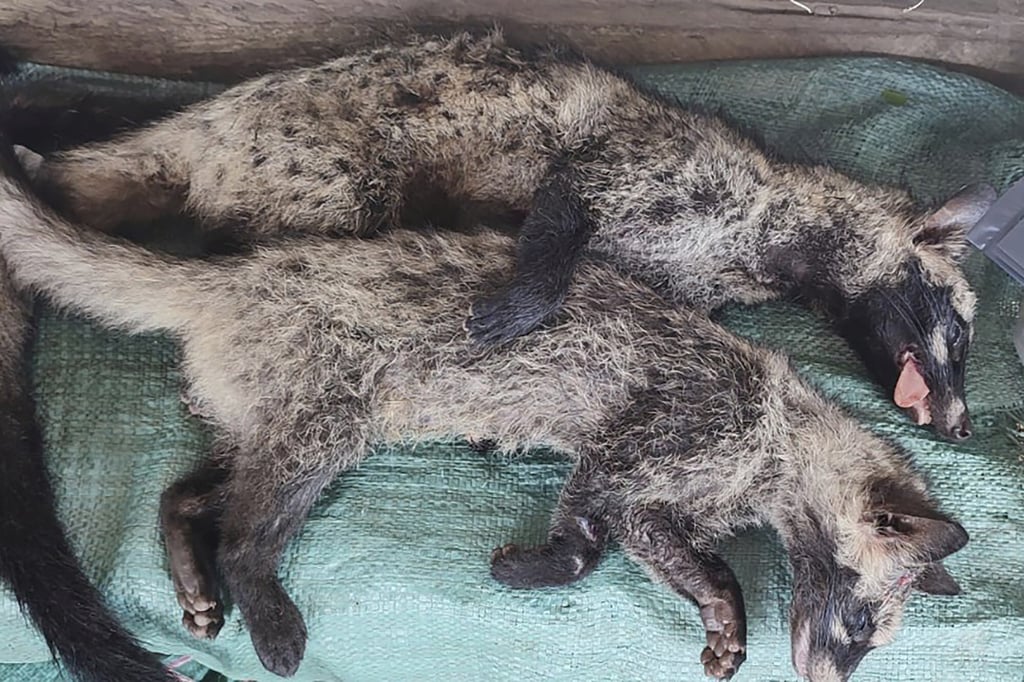
Most of the animals advertised for sale were taken from the wild. They also included civets, which along with pangolins have been identified as potential vectors in the spread of diseases such as Sars and Covid-19.
Shaun Martin, who heads the WWF’s Asia-Pacific regional cybercrime project, said monitoring of the online wildlife trade shows different species being kept close together, sometimes in the same cage.