Once China’s answer to ‘oil in the Middle East’, rare earths mining is making Myanmar a ‘sacrifice zone’
- The US offshored its rare earths mining to China in the 1980s and Deng Xiaoping once called it his country’s answer to ‘oil in the Middle East’
- But thousands of miners have now streamed across the border to north Myanmar, where fish no longer swim in the rivers and the water is unsafe to drink

The birds no longer sing. The fish no longer swim in rivers that have turned a murky brown. The animals do not roam, and the cows are sometimes found dead.
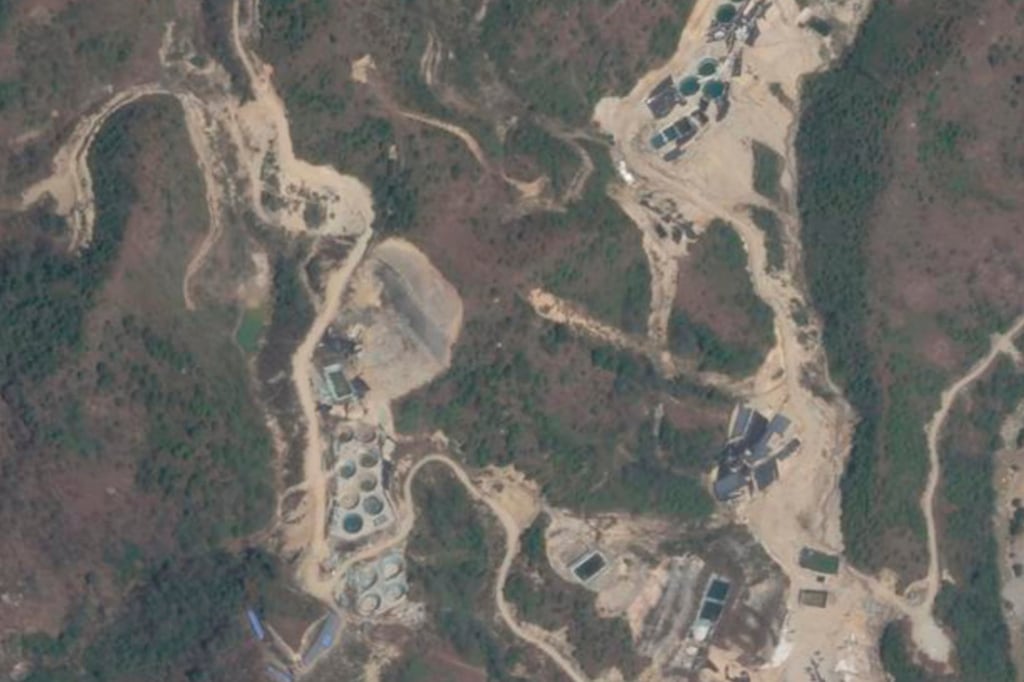
But an investigation by Associated Press has found that their universal use hides a dirty open secret in the industry: their cost is environmental destruction, the theft of land from villagers and the funnelling of money to brutal militias, including at least one linked to Myanmar’s secretive military government. And as demand soars for rare earths along with green energy, the abuses are likely to grow.
“This rapid push to build out mining capacity is being justified in the name of climate change,” said Julie Michelle Klinger, author of the book Rare Earths Frontiers, who is leading a federal project to trace illicit energy minerals. “There’s still this push to find the right place to mine them, which is a place that is out of sight and out of mind.”
The investigation drew on dozens of interviews, customs data, corporate records and Chinese academic papers, along with satellite imagery and geological analysis gathered by the environmental non-profit Global Witness, to tie rare earths from Myanmar to the supply chains of 78 companies.
About one-third of the companies responded. Of those, about two-thirds did not or would not comment on their sourcing, including Volkswagen, which said it was conducting due diligence for rare earths. Nearly all said they took environmental protection and human rights seriously.