Singapore sets 2050 target for net-zero emissions, even as challenges loom
- Reaching the 2050 target is ‘contingent on technological advances’, including in clean hydrogen and carbon capture, the nation’s government said
- As a low-lying city state, Singapore is particularly vulnerable to rising sea levels and extreme weather events triggered by climate change

The Southeast Asian nation aims to reach peak emissions before 2030 and to limit pollution to 60 million tonnes of carbon-dioxide equivalent by that date from a previous target of 65 million tonnes, Deputy Prime Minister Lawrence Wong said on Tuesday. Emissions in 2020 were 52.8 million tonnes, according to government data.
Wong’s confirmation of a 2050 target comes after Singapore announced an ambition to achieve net zero “by or around mid-century” in a budget earlier this year. The National Climate Change Secretariat said last month that the country was considering an aim of reaching the goal by that date.
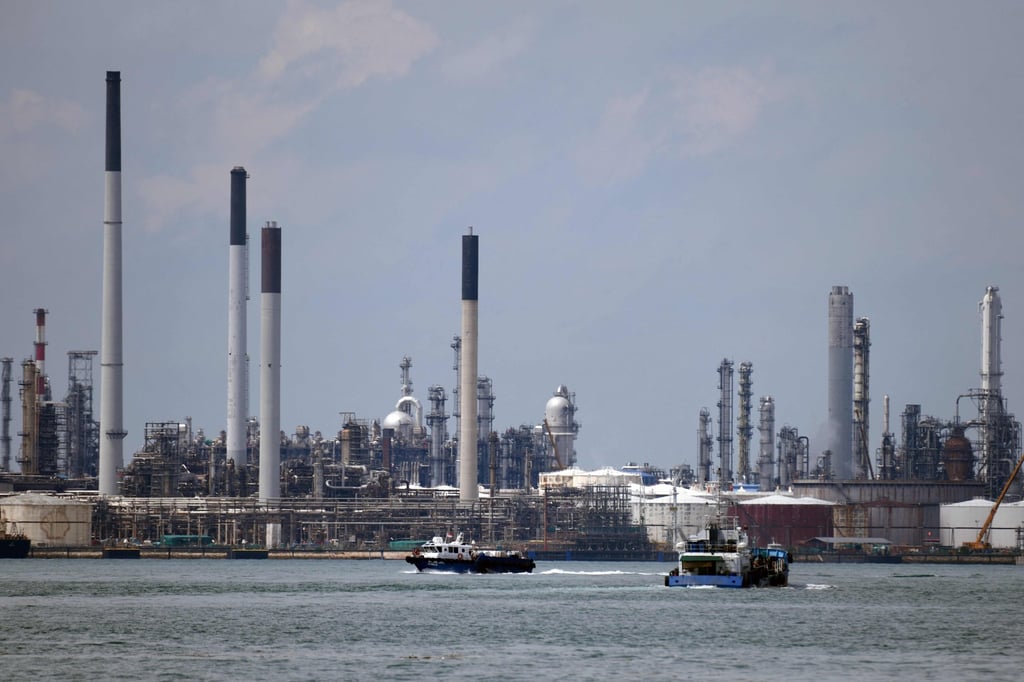
“Given that Singapore is an alternative energy disadvantaged island city state, these targets are contingent on technological advances,” including in clean hydrogen and carbon capture, the nation’s government said in a statement.
Achieving the goals will also need “effective international collaborations in areas such as carbon credits and renewable energy imports,” it said.
The city state is particularly vulnerable to rising sea levels and extreme weather events triggered by climate change. At least 30 per cent of the island is less than 5 metres (16 feet) above sea level.
Climate Action Tracker, which analyses climate plans, has ranked Singapore’s policies and actions as “highly insufficient” and its domestic target as “critically insufficient”.