Inflation in Singapore hits 14-year high despite policy tightening
- Prices for food items have gone up 8.1 per cent – the highest level since August 2008 – while core inflation rose 5.5 per cent year on year
- Singapore’s central bank has tightened policy five times since October 2021 and may do so again at its mid-April meeting

The measure, which excludes private transport and accommodation, rose 5.5 per cent in January from a year earlier, the fastest pace since November 2008 according to a statement Thursday. That compares with a 5.7 per cent median estimate in a Bloomberg survey.
The quickening pace of inflation raises the possibility of the Monetary Authority of Singapore, the city state’s central bank, further tightening its exchange rate policy at its mid-April meeting.
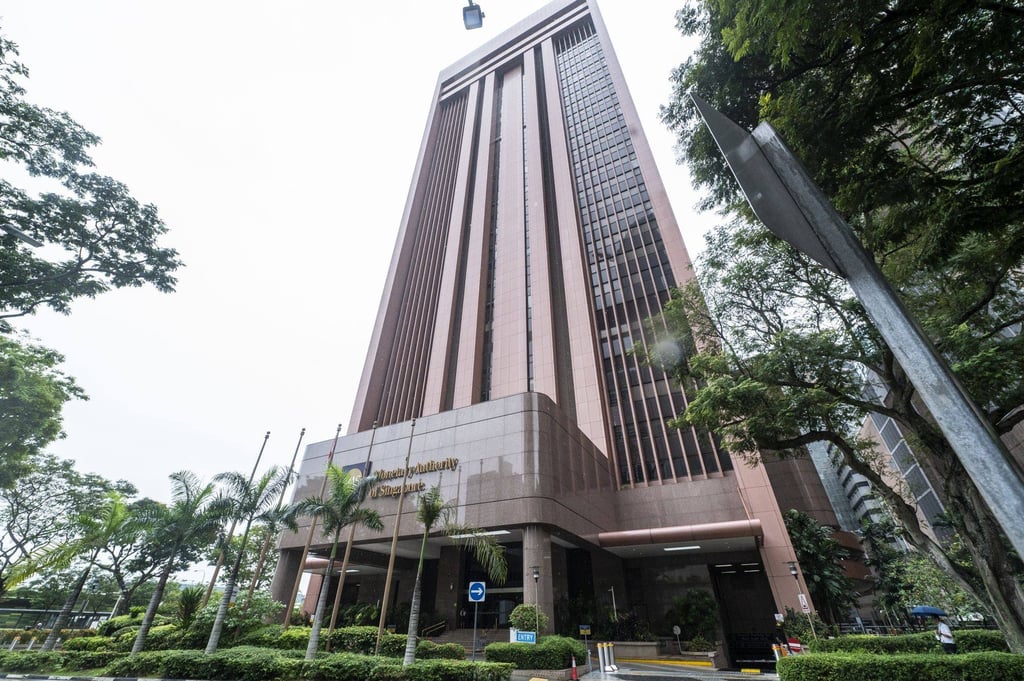
Headline inflation edged up higher to 6.6 per cent, compared with a 7.1 per cent median forecast and 6.5 per cent pace in December, according to a joint statement from the Monetary Authority of Singapore and the Ministry of Trade and Industry.
Prices for food items came in higher at 8.1 per cent, the highest level since August 2008, while lower increases in items like electricity and private transport helped hold back the acceleration.
Core inflation “will remain elevated in the first half of 2023 before slowing more discernibly in the second half” as the current tightness in the domestic labour market eases and global inflation moderates, according to the statement on Thursday.