El Niño brings smog but also palm oil redemption possibility
- Haze is a problem in Southeast Asia, often blamed on forest fires created by palm oil production, costing billions of dollars in tourism and boycotts on exports
- As the dry weather is set to return, increasing the risk of fire, industry insiders say they are now ‘more responsible stewards of the lands and environment’

The arrival of El Niño and its potential to bring hotter, drier weather to Southeast Asia will be a crucial test for the global palm oil industry to prove it’s no longer at fault for causing forest fires and choking haze.
Haze is a recurring problem in the region, disrupting tourism and costing local economies billions of dollars. It originates from natural or man-made fires in Indonesia and Malaysia, such as when land is cleared for agriculture, and is often linked to palm oil as both countries are the world’s biggest producers.
That’s a perception the industry’s fighting to fix. Palm oil is found in half of supermarket products around the world, but its association with deforestation has fuelled consumer campaigns calling for its boycott. The European Union has also come up with regulations that reduce market access for palm oil.
The El Niño weather pattern is set to return this year, bringing drier conditions and increasing the risk of forest fires in Southeast Asia. This will be a test for the industry as it tries to repair its image, said Joseph D’Cruz, chief executive officer of the Roundtable on Sustainable Palm Oil, a certification body.
“Either we prove that the improvements that have been made over the last few years have allowed us to become more responsible stewards of the lands and environment that we have been entrusted with – or we simply prove our critics and our detractors correct in saying this industry hasn’t changed and all the efforts around sustainability are a facade,” he said in an interview.
Major producers in Indonesia and Malaysia have in recent years committed to zero-burning, and increased resources for monitoring hotspots and putting out fires. But local communities have a long history of setting fields ablaze as a cheap way to clear the land for growing oil palm, pulpwood and rubber trees.
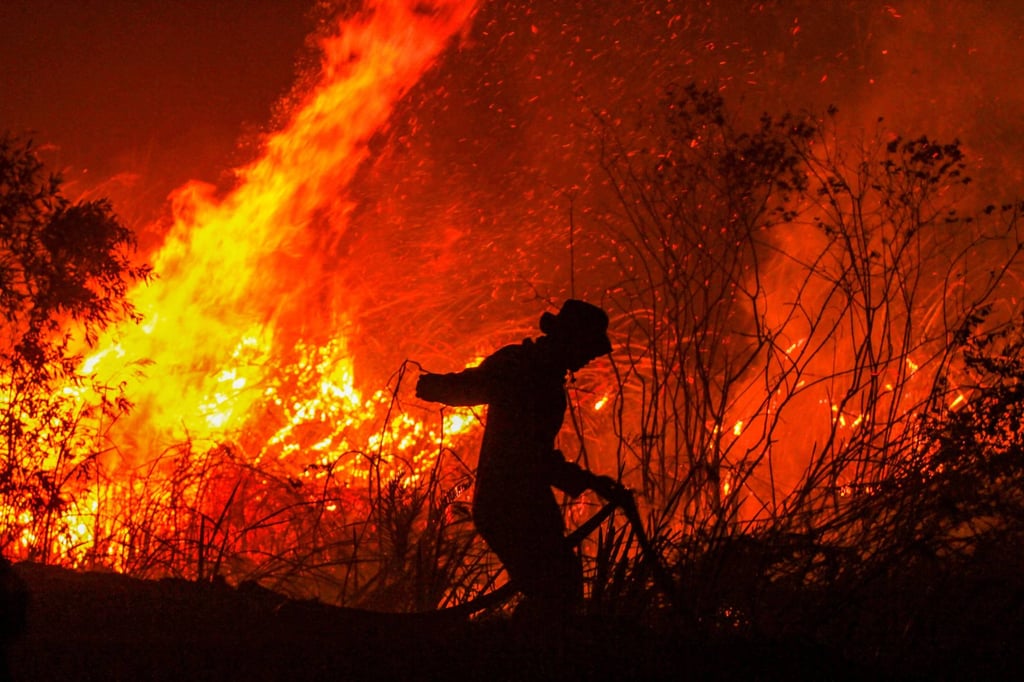
The likelihood of fires is “almost inevitable” during an El Niño, D’Cruz said. A lightning strike or a cigarette stub tossed in dry grass could ignite peatlands. During a hot and dry spell, fires can very easily burn out of control.