Advertisement
South China Sea: Philippines committed to code of conduct, says tensions not about US-China rivalry
- Manila’s foreign minister wants to engage in negotiations for a code of conduct between China and Southeast Asian countries to avert confrontations in the waters
- The Philippines and China have been at loggerheads this past year over maritime territory, with Manila accusing Beijing of repeatedly committing aggressive acts
2-MIN READ2-MIN
4

The Philippines is firmly committed to negotiations for a code of conduct between China and Southeast Asian countries to avert confrontations in the South China Sea, its foreign minister said on Thursday.
Foreign Secretary Enrique Manalo also said tensions in the South China Sea were not all about a rivalry between superpowers the United States and China, and the Philippines, and others, had legitimate rights and interests to uphold.
Such view will “not help in an honest understanding of the situation,” he told reporters.
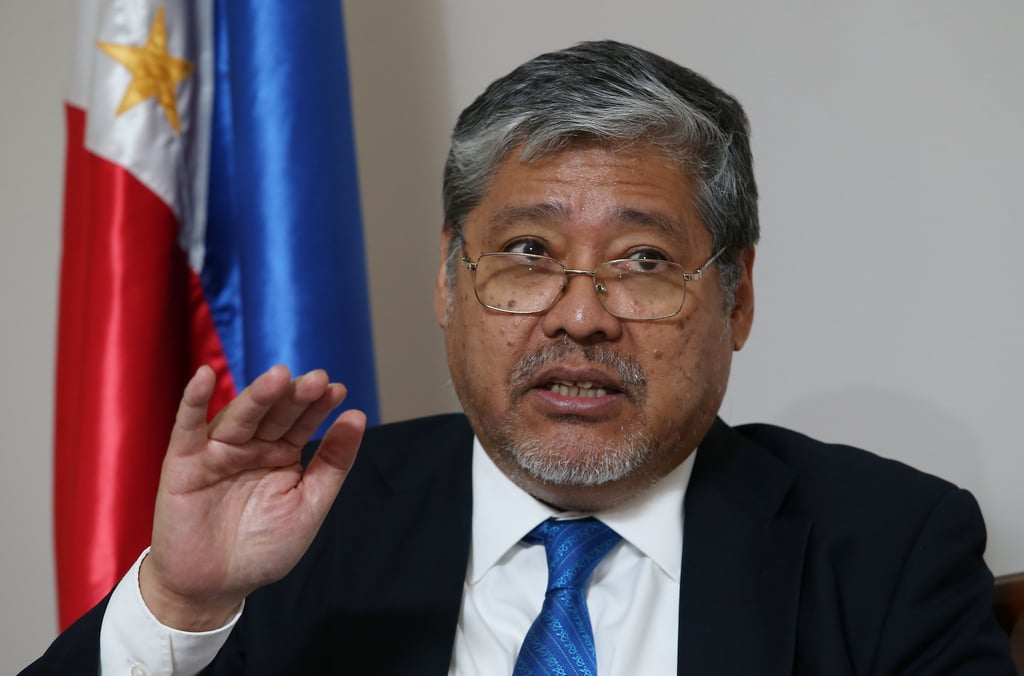
“It obscures good judgment, actions that are clearly illegal in international law and against the UN charter are sometimes rationalised under the pretext of this rivalry.”
Advertisement
He also voiced concern about regional tensions over nearby Taiwan and urged all parties to remain in direct contact.
The idea of a code of conduct was hatched more than two decades ago, but parties only committed to begin the process in 2017. Little progress has been made, however, with negotiations on the contents of the code yet to move forward.
The issue is highly sensitive, with China’s neighbours keen to base the code on international law, which Beijing has repeatedly been accused of disregarding in asserting its claim to sovereignty over 90 per cent of the South China Sea, despite that being dismissed by an international arbitration court.
Advertisement
Select Voice
Select Speed
1.00x