Anwar says Malaysia doesn’t have ‘China-phobia’ policy, hopes Washington and Beijing ‘resolve their differences’
- Anwar, who is attending a Nikkei annual conference in Tokyo, said China is an important neighbour as it grows economically and militarily
- Anwar said Malaysia hopes China and the United States will ‘resolve their differences’

Malaysian Prime Minister Anwar Ibrahim said on Thursday his country does not have a “China-phobia” policy and wants to engage both Beijing and Washington, expressing hopes for both powers to resolve their differences.
Anwar, who is attending a Nikkei annual conference in Tokyo, said China is an important neighbour as it grows economically and militarily.
“While I maintain excellent relations with the United States, Japan and [South] Korea, I think for Malaysia and for the region, it is better to continue to engage with China,” he said.
“We will continue to engage and consider the United States as an important ally, and at the same time enhance our collaboration with China.” He stressed that Beijing is “too close, too important and too strategic to ignore.”
Anwar said Malaysia hopes China and the United States will “resolve their differences.” He also urged the US to abandon protectionism and respect competitiveness.
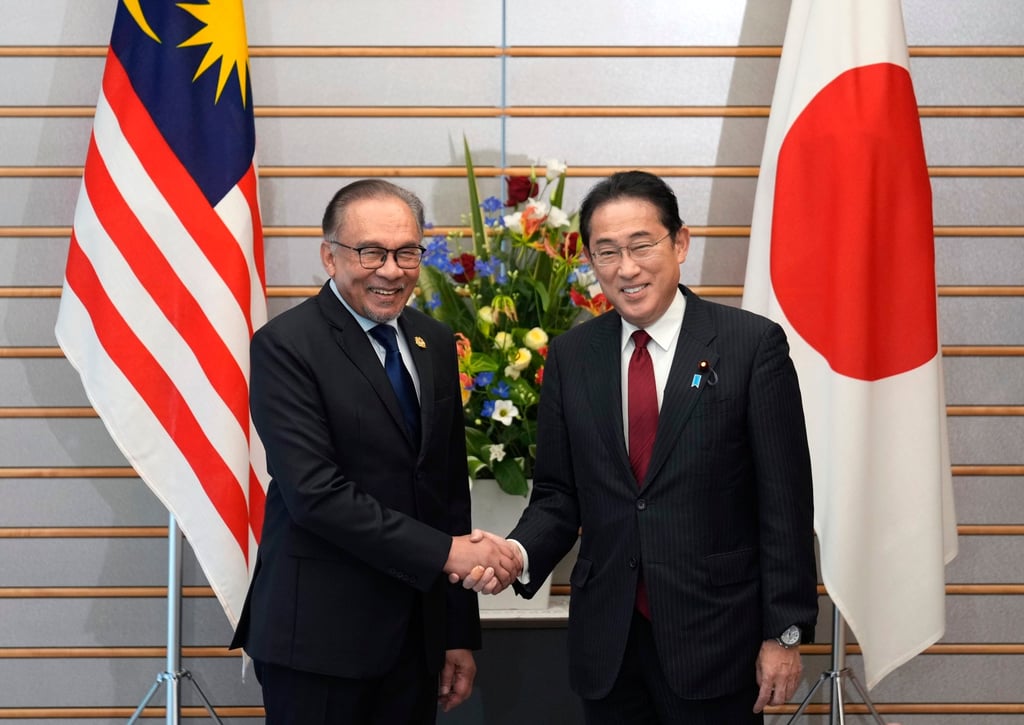
He later met with his Japanese counterpart, Fumio Kishida, and agreed to further strengthen their cooperation in a wide range of areas including maritime security, energy transition, cybersecurity and supply chain resilience, under the bilateral ties which were elevated to comprehensive strategic partnership last year.