1.5 million-year-old stone tools found in Indonesia rewrite human history
The new discovery of ancient tools on Indonesia’s Sulawesi island is forcing scientists to rethink early human migration routes

The findings could transform theories of early human migrations, according to an article the archaeologists published in the journal Nature this month.
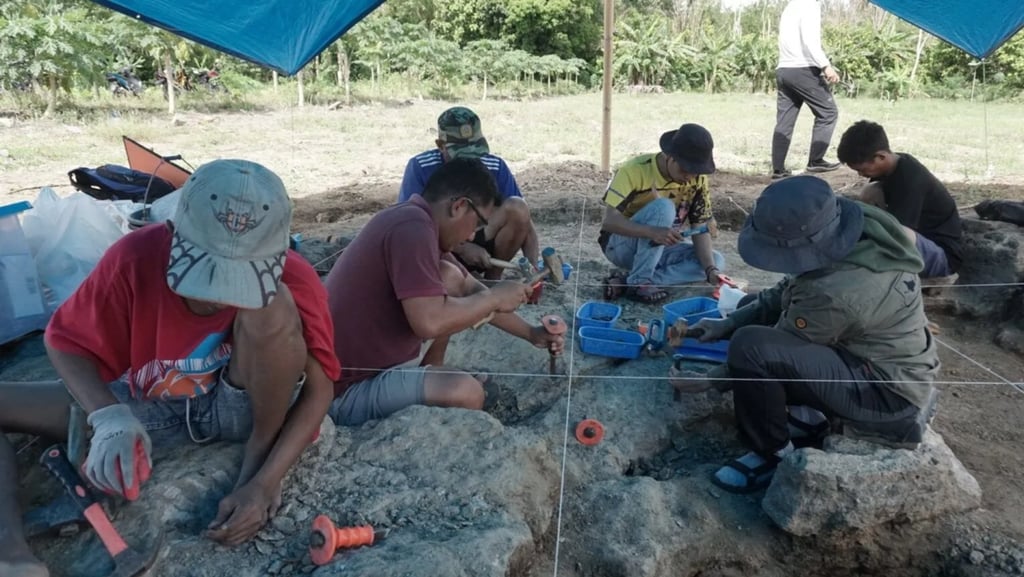
“These were artefacts made by ancient humans who lived on the earth long before the evolution of our species, Homo sapiens,” said Adam Brumm, lead archaeologist from Griffith University in Queensland, Australia.
“We think Homo erectus somehow got from the Asian mainland across a significant ocean gap to this island, Sulawesi, at least 1 million years ago.”
Wallacea is a region in Eastern Indonesia, including several islands such as Sulawesi, Lombok, Flores, Timor and Sumbawa that lie between Borneo and Java and Australia and New Guinea.
The region is named for the naturalist Alfred Russel Wallace, who studied the fauna and flora of the area.