Indonesia scrambles to halt US$80 billion market crash as rupiah hits record low
Concerns over fiscal policy and transparency sparked a sell-off, as Indonesian stocks plunged 8 per cent in just two days

Indonesia is fighting to save its financial reputation after a disastrous two days saw stock prices plunge by 8 per cent. Authorities are racing to pass new rules to prevent a downgrade that has already scared investors into pulling billions of dollars out of the local market.
The rout, which knocked off about US$80 billion in overall market value, came after index provider MSCI flagged concerns about ownership and trading transparency in Indonesian stocks, the latest setback for a market that is struggling to maintain investor confidence.
Foreign capital has flowed out of Indonesia because of concerns about how President Prabowo Subianto is widening the fiscal deficit and ramping up the state’s involvement in financial markets.
The appointment of his nephew, Thomas Djiwandono, to the central bank this month, after last year’s abrupt sacking of respected Finance Minister Sri Mulyani Indrawati, has shaken confidence in his fiscal stewardship and pushed the rupiah to record lows.
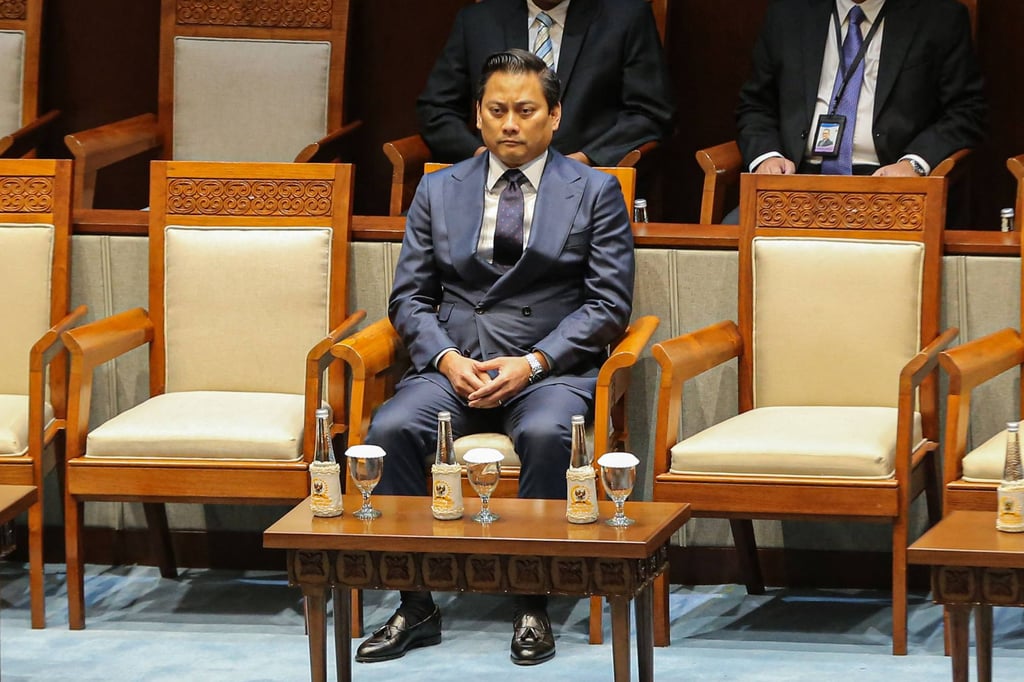
Modest recovery after regulatory response
Indonesian stocks staged a modest recovery late on Thursday after the country’s regulators unveiled several measures, including doubling the free-float requirement for listed firms to 15 per cent, as part of their response to MSCI.