Vietnam dissident arrests double under leader To Lam, report says
A rights group says Vietnamese authorities are relying increasingly on Article 331, which makes it a crime to ‘abuse democratic freedoms’

The 88 Project, which focuses on rights issues in Vietnam, documented 56 such arrests last year, the third consecutive year of increases and double the number in 2022. The report included only arrests where the defendant could be identified by name and the case tracked, and the actual numbers were believed to be much higher, said Ben Swanton, co-director of the group.
The arrests are largely driven by fears of an uprising against the leadership in a “colour revolution,” like the 2004 Orange Revolution in Ukraine, or the 1986 Yellow Revolution in the Philippines, according to the report.
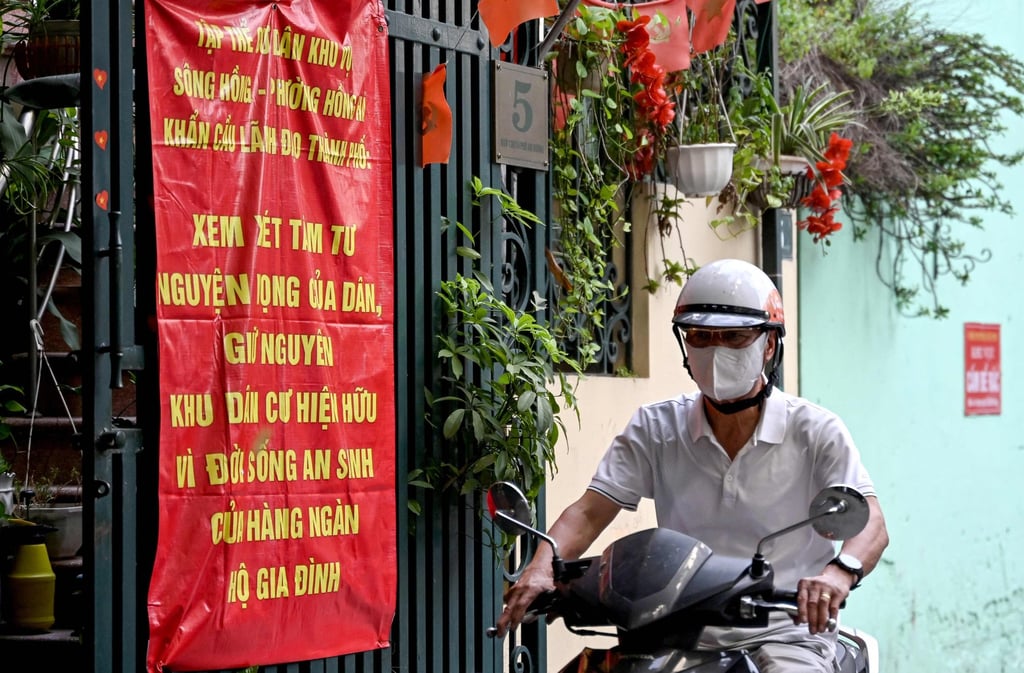
It is a fear shared by the Communist Party in neighbouring China, which has been accused of using similar tactics to stifle critics. Though competing maritime claims have led to confrontations between the two countries and a tense diplomatic relationship at times, China and Vietnam were able to agree earlier this year to together “prioritise political security and enhance efforts to prevent and resist colour revolutions”, the Chinese state-run Xinhua News Agency reported.
“With the ascendancy of To Lam, the country has become a literal police state that tolerates no dissent,” Swanton said. “This represents a serious regression from the period of relative openness in the 2010s when some dissent was tolerated and civil society groups were able to engage in policy activism.”