Advertisement
Singapore
AsiaSoutheast Asia

Indonesia, Singapore say key oil passage will remain ‘accessible’

The Strait of Malacca is the world’s largest oil chokepoint in terms of transit volume, according to the US EIA

2-MIN READ2-MIN
Listen
Indonesian President Prabowo Subianto (right) and Singapore’s Prime Minister Lawrence Wong at a welcoming ceremony before their meeting at the Merdeka Palace in Jakarta on Monday. Photo: Reuters
Agence France-Presse
Indonesia and Singapore vowed on Monday that the Strait of Malacca, a critical oil transit chokepoint in the region, will remain “accessible” even as Iran imposes fees on ships traversing the Strait of Hormuz.

Indonesian President Prabowo Subianto discussed the matter with Singaporean Prime Minister Lawrence Wong in Jakarta as Southeast Asia reels from the effects of oil prices pushed sky-high by the Middle East war.

The Strait of Malacca, surrounded by Indonesia, Malaysia, Singapore and Thailand, is the world’s largest oil chokepoint in terms of transit volume, according to the US Energy Information Administration (EIA).

More than 23 million barrels – 29 per cent of total maritime oil flows – crossed the strait in the first half of last year, the latest EIA data shows.
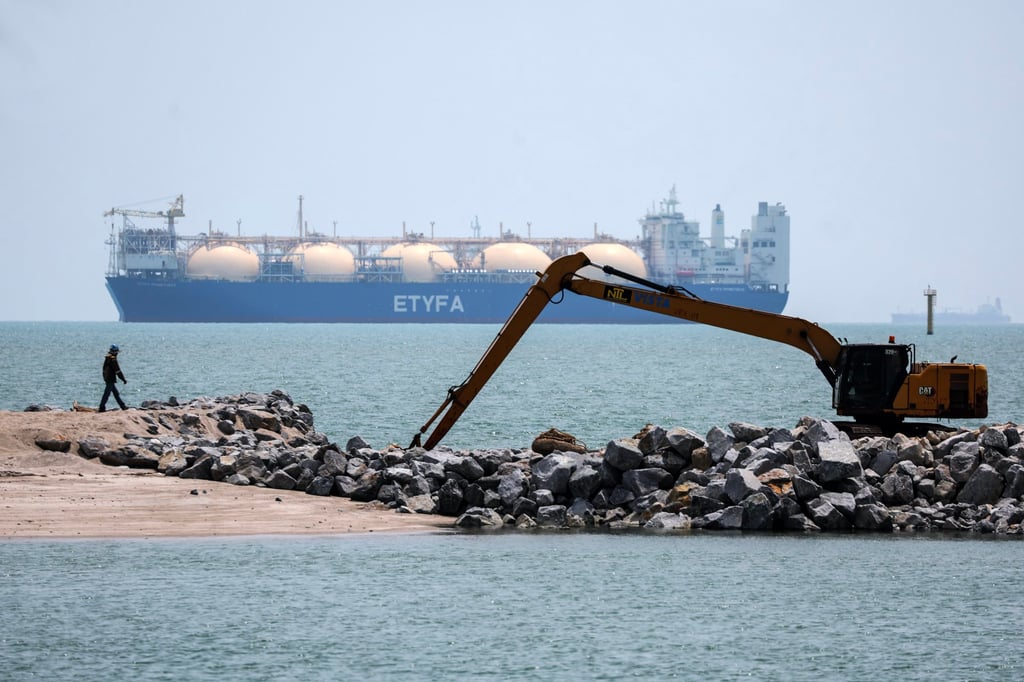
A worker walks past the liquefied natural gas tanker ETYFA-Prometheas in the Malacca Strait in April. The Strait of Malacca is the world’s largest oil chokepoint in terms of transit volume. Photo: EPA

In April, Indonesian Finance Minister Purbaya Yudhi Sadewa floated the idea of charging vessels to cross the strait, but later backtracked.

Advertisement
Select Voice
Select Speed
1.00x