In Indonesia’s island paradise, slavery remains a daily reality
Though slavery has been illegal in what is now Indonesia for more than 160 years, it survives in Sumba’s rigid caste system

They work from dawn to dusk without pay, are passed on in marriage, and are sometimes beaten and raped by their masters. Yet most are resigned to their fate because their status “cannot be wiped away”, as one young slave – or ata – Kanisius Kanyali Hambarita said.
Slavery has been illegal in what is now Indonesia for more than 160 years, but it survives in Sumba’s rigid caste system, particularly in the island’s east.
Kanisius and his master, Umbu Ana Rara, 31, who is three years younger than him, live in the village of Tenggedu, whose turquoise waterfalls draw intrepid tourists looking for a “hidden tropical paradise”.
It is a place out of time, reached by a rocky road between arid hills and the sea where you have to dodge stray cows, goats and wild horses. There is no mobile phone signal and food is cooked over a wood fire.
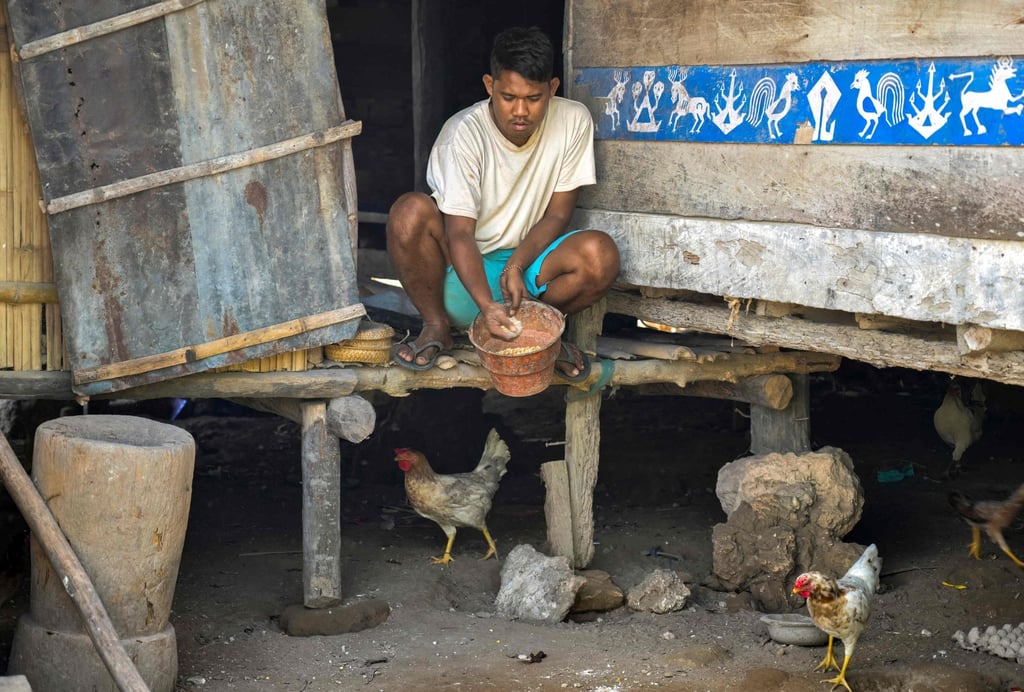
Umbu Ana said he treats his slave “like a member of the family” as the two sat chewing betel nuts – a mild stimulant that stains the gums red – in the late morning heat, with chickens and geese wandering at their feet.