New study uproots popular belief in Central China's leafy Loess Plateau
New study of region's ancient vegetation finds grasses have dominated landscape for millennia and calls tree-planting campaigns into question
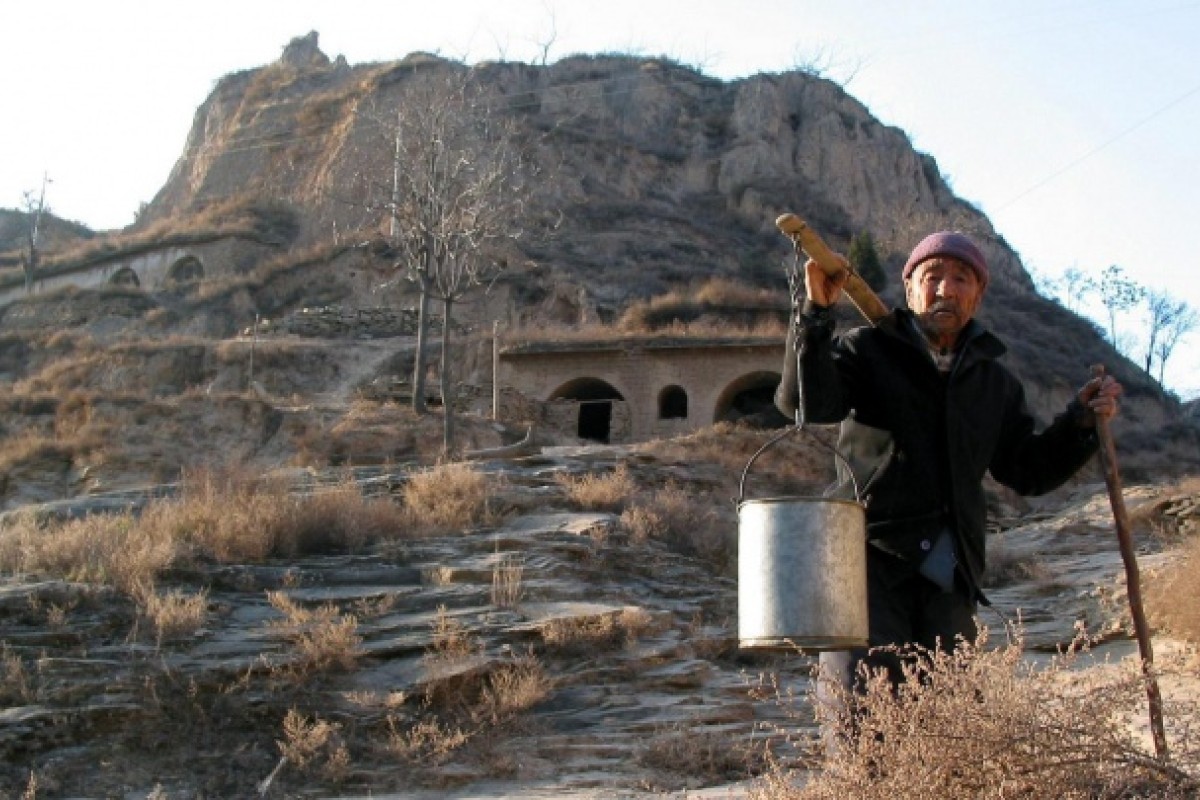
Central China's Loess Plateau was mostly covered by grass for the past 20,000 years - not forest as popularly believed - mainland scientists say, warning that an ambitious government tree-planting campaign could be doomed to fail.
Chinese geography text books invariably describe the Loess Plateau as a lost paradise. Formed by dust blown from the Gobi desert, the 440,000 square kilometre area, centred on Shaanxi province, gave birth to Chinese civilisation, but is now characterised by a denuded, yellowish and deeply eroded landscape, with poverty-stricken villages and thirsty cities.
We can say with confidence that the popular belief [about the plateau's past] is wrong
However, the textbooks say, it was once home to thick forests of tall trees and thriving wildlife. Human activities such as felling trees and excessive farming and grazing are blamed for today's miserable situation, with the government's tree-planting efforts since the 1950s hailed as heroic redemption for the wrongdoings of ancestors.
That popular impression and the government policy that sprang from it have now been challenged by a study from the Chinese Academy of Sciences. A team with the academy's Institute of Geology and Geophysics found from pollen records that the region was dominated by grasses as far back as 20,000 years ago, with few signs of trees.
The pollen was preserved in ancient layers of soil, some 300 metres underground. Laboratory analysis showed that it came from a variety of grass families, including Artemisia (mugwort), Echinops (globe thistle), Taraxacum (dandelion), Chenopodiaceae (goosefoot) and Poaceae (true grass).
Only in the southeast of the plateau did the scientists detect evidence of pine trees.