China’s quiet bridge-building with North Korea could undermine Donald Trump’s denuclearisation hopes
In the border city of Dandong there are signs that commercial activity is discreetly picking up again despite a UN embargo

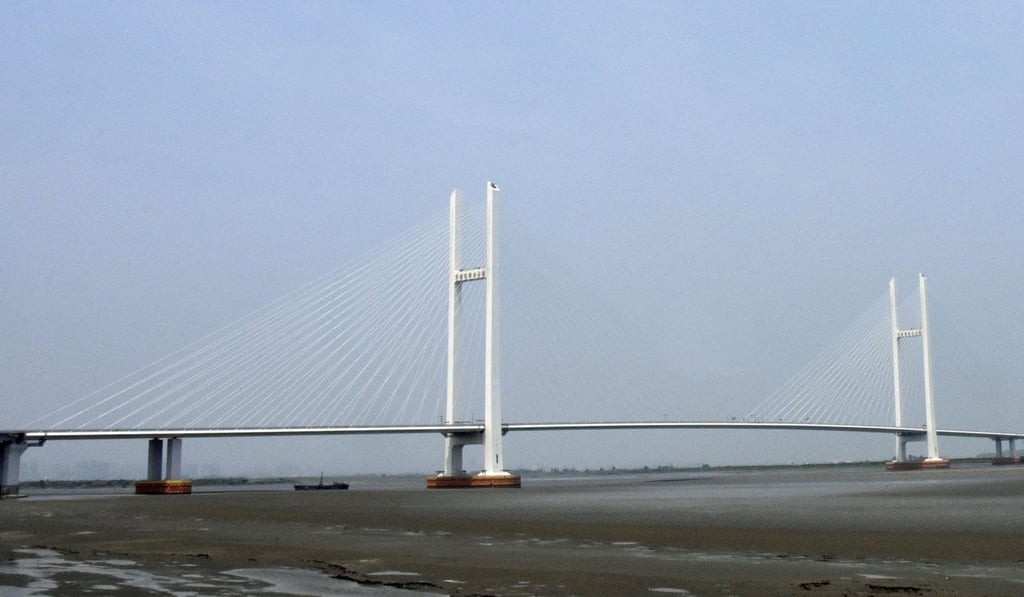
It was drizzling rain, and gloomy clouds darkened the surface of the Yalu River separating this Chinese city from its North Korean neighbour.
In a nearby commercial district named after an old Korean kingdom, a group of men distinguishable only by their high cropped haircuts and the pins in their lapels depicting Kim Jong-un’s father and grandfather were acting out a tiny drama with broader implications for President Donald Trump’s foreign policy and the future security of the United States.
The men, and a handful of women accompanying them, slipped in and out of storefronts to buy cosmetics and other personal items to take back home.
More important, they paid inconspicuous visits to the offices of trading companies that account for part of the vital flow of goods between China and North Korea.
The presence of these visitors was a small but telling sign that China’s critical role in the punishing international embargo on trade with Pyongyang – an embargo the Trump administration is counting on to force North Korea to stop building nuclear weapons – seems to be breaking down.
After his dramatic summit meeting with North Korean leader Kim Jong-un in June, Trump declared on Twitter, “There is no longer a Nuclear Threat from North Korea.”