China’s belt and road plan can help shape future of globalisation, ex-central bank chief says
- In the past, developed countries took the lead, but emerging economies now account for a growing share of international trade, and the global supply of funding and investment, Zhou Xiaochuan says

China’s trade and infrastructure development plan known as the “Belt and Road Initiative” could help to shape the future of globalisation, but it is too early to say how big an impact it will have on international trade, according to the former boss of its central bank.
Speaking on Saturday at the annual conference of the International Finance Forum (IFF) in Guangzhou, Guangdong province, Zhou Xiaochuan said the scope and focus of globalisation had changed, and projects under the belt and road plan would “bring about [new] rules”, although he admitted they were “still in the initial stage”.
His comments come at a time of increased debate on the future of globalisation as cross-border money flows have dipped and countries that once championed open trade, such as the United States and Britain, have adopted a more inward-looking stance.
“Some countries are … reluctant to see the further development of globalisation and want to scale it back,” Zhou said, without naming any nations.
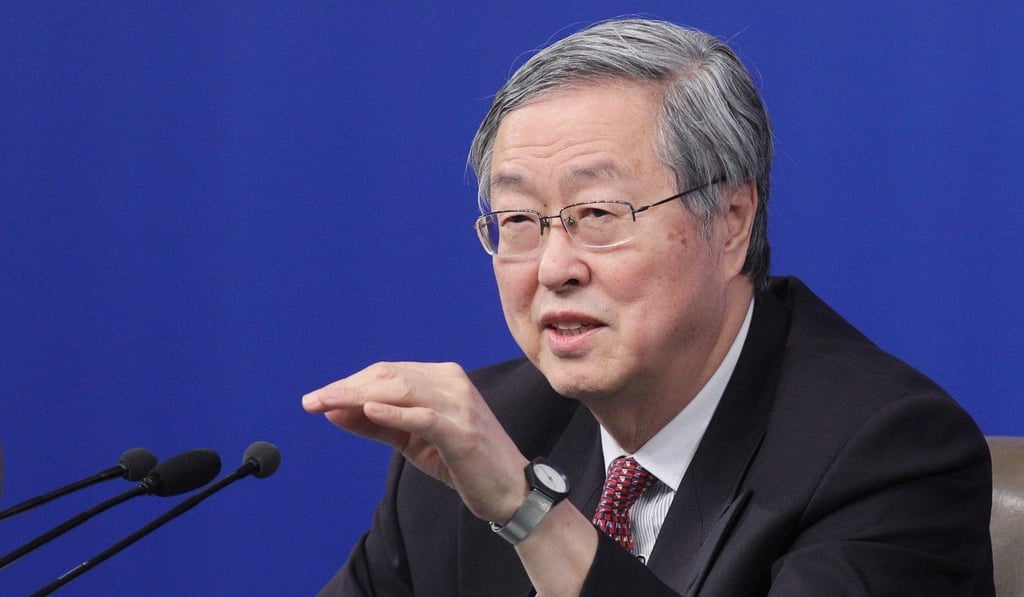
Zhou, who is chairman of the Beijing-based IFF, whose annual global conference had the theme “New Globalisation”, said many factors were shaping the future of globalisation.