The India advantage: why China’s tech workforce can’t gain traction in Silicon Valley
- Chinese companies and executives are facing resistance in the US as distrust of Beijing’s objectives grows
- In contrast, India’s familiarity with English and history as a rule-of-law democracy leave it ‘much more tied into Silicon Valley’

While Indian tech workers have flourished in the US, their Chinese counterparts have struggled to gain the same acceptance. Growing distrust between Beijing and Washington, fuelled by the trade war, has heightened suspicion of Chinese in the industry, but the problems they face go deeper, and have been evident for some time.
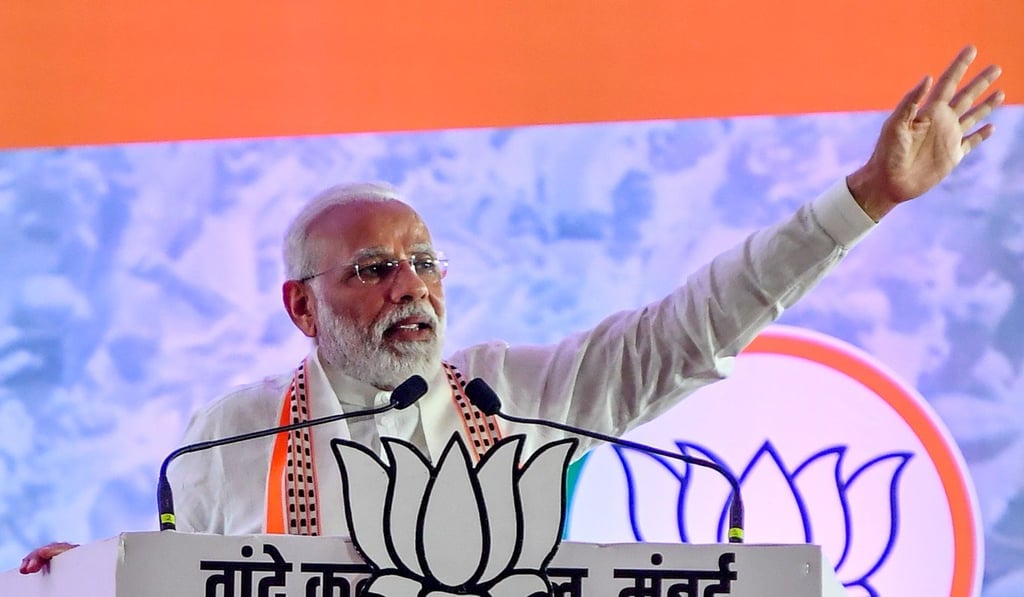
That same week, Indian Prime Minister Narendra Modi arrived in California’s Silicon Valley for meetings with Facebook, Google, Apple, Tesla and Uber executives. Modi, an avid Facebook and Twitter user, bounded among companies and packed an 18,000-seat stadium for a speech that touted India’s open policies toward US firms.
While Americans and Indians mixed seamlessly in Silicon Valley at a reception for Modi – effusing about the need for closer ties – the Xi reception was rather formal, said Anja Manuel, a co-founder of consultancy RiceHadleyGates and author of This Brave New World: India, China and the United States, who attended dinners for both leaders.
“India is much more tied into Silicon Valley than China and the atmosphere is just more comfortable with India,” she said. “US business leaders were starting to become wary of China, worried that there was not a fair playing field, and behind the scenes several CEOs didn’t want to be in pictures with Xi Jinping. They said all the right things, but the message was clear,” said Manuel, a former diplomat, investment banker and current senior fellow at the Harvard Initiative on Technology and Public Purpose.
“It’s a perfect example of the difference in cultures between the two,” she said.
As Chinese face more locked doors in the world’s largest tech centre, they have been doing some soul-searching on why they lag, despite Chinese outnumbering Indian science and engineering PhD graduates three to one in the US.