Project to dig largest lithium mine in US faces legal roadblocks despite push to reduce reliance on China and other foreign countries
- Nevada site is a priority for US goal of reducing reliance on foreign sources, including China, of the mineral used in electric vehicle batteries and other devices
- But resistance from Native American tribes and environmental watchdogs, as well as uncertainties of nascent technology, threaten delays

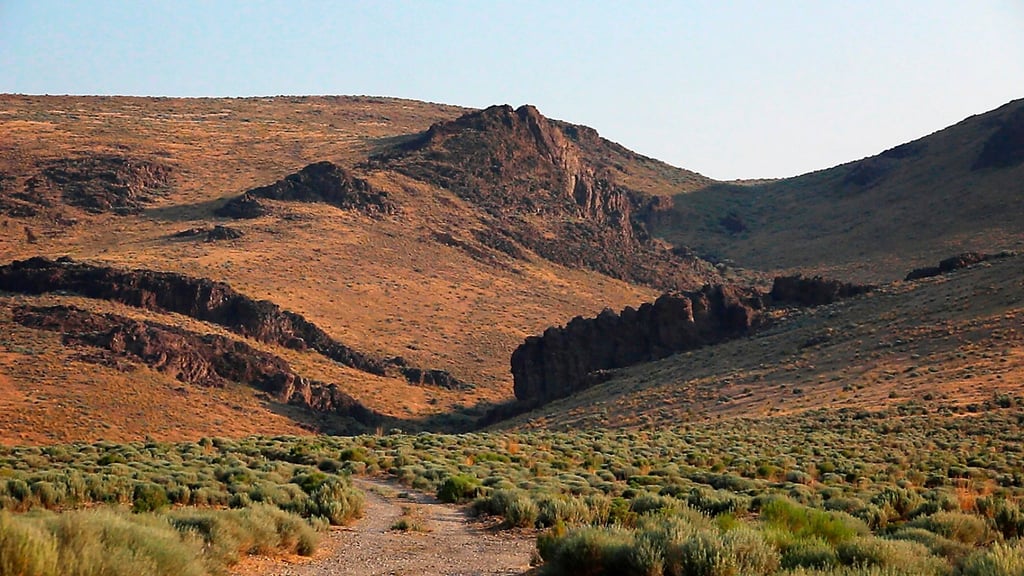
In northwestern Nevada, near the state’s border with Oregon and deep beneath a sprawling sagebrush desert, lies one of the largest known deposits of lithium in the US – buried treasure in the 21st century hunt for clean energy.
An essential component in manufacturing rechargeable batteries used in laptops, mobile phones and electric vehicles (EVs), the rare earth mineral is critical to the global shift from fossil fuels.
Moreover, the US produces just 1 per cent of the world’s lithium supply, so US manufacturers rely mostly on lithium produced elsewhere – a supply-chain dependency that the pandemic showed leaves the country vulnerable.
China’s standing as the world’s third-largest supplier of lithium – behind Australia and Chile – has added urgency to US efforts to prioritise domestic reserves. China also controls nearly 80 per cent of the world’s lithium processing capacity.
In March, US President Joe Biden invoked the Defence Production Act to push for rapid domestic production of critical minerals.
Last month, he signed into law the Inflation Reduction Act, which set an ambitious timeline to “localise” all EV manufacturing in the US by 2030, with all components sourced domestically or from friendly countries.