US’ hard-line policy on China likely to hold whoever wins midterm elections, say analysts
- House victory by Republicans likely to pressure Biden administration to adopt a ‘more aggressive’ stance as Beijing’s most vocal critics gain more control
- Both parties converge broadly on economic competition and human rights while Republicans focus more on ideological competition and coronavirus accountability
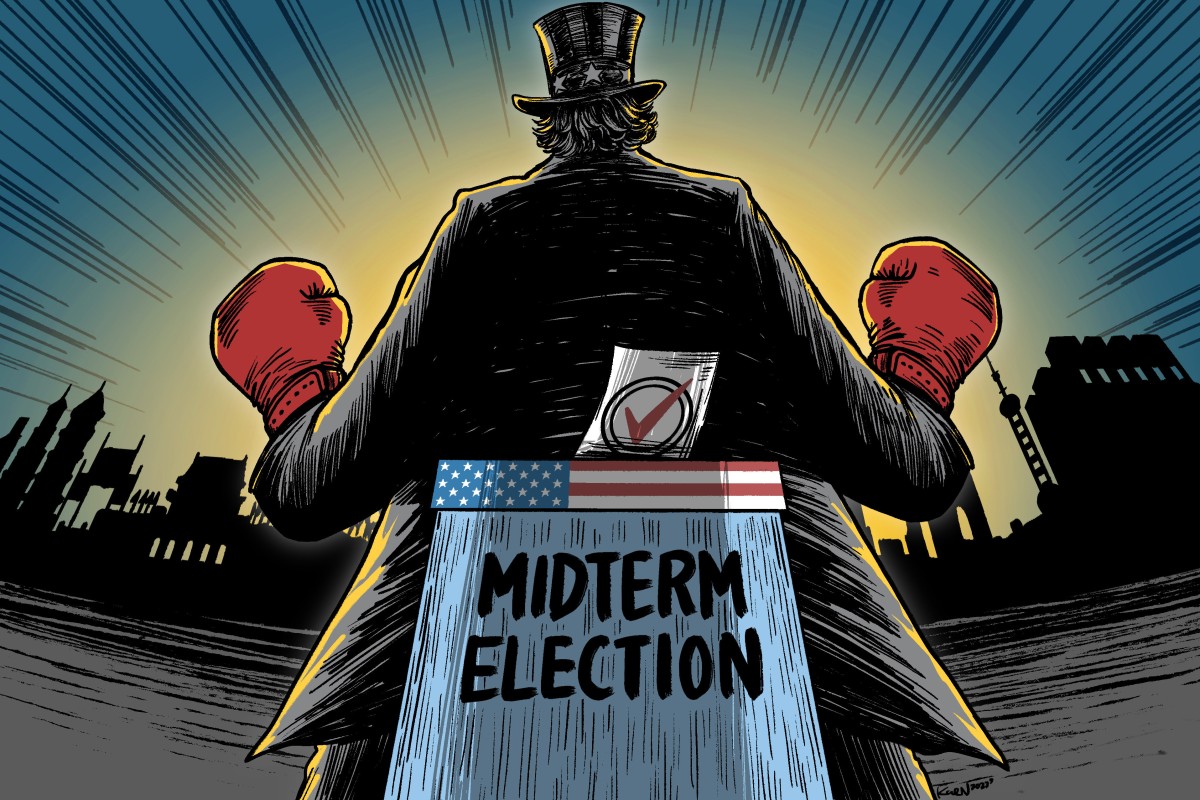
Recent polls suggest that next month’s elections – taking place as Americans’ views of China have plunged to historically low levels – are likely to result in a Republican-led House of Representatives and possibly a Republican Senate. The Democratic Party currently has control over both legislative chambers, with razor-thin margins in each.
US congressional elections are held every two years, when all House seats are up for grabs along with a third of Senate seats.
While this year features several competitive races and notable retirements, many leading voices on China policy, including Senator Marco Rubio, Republican of Florida, appear to be a lock for re-election.
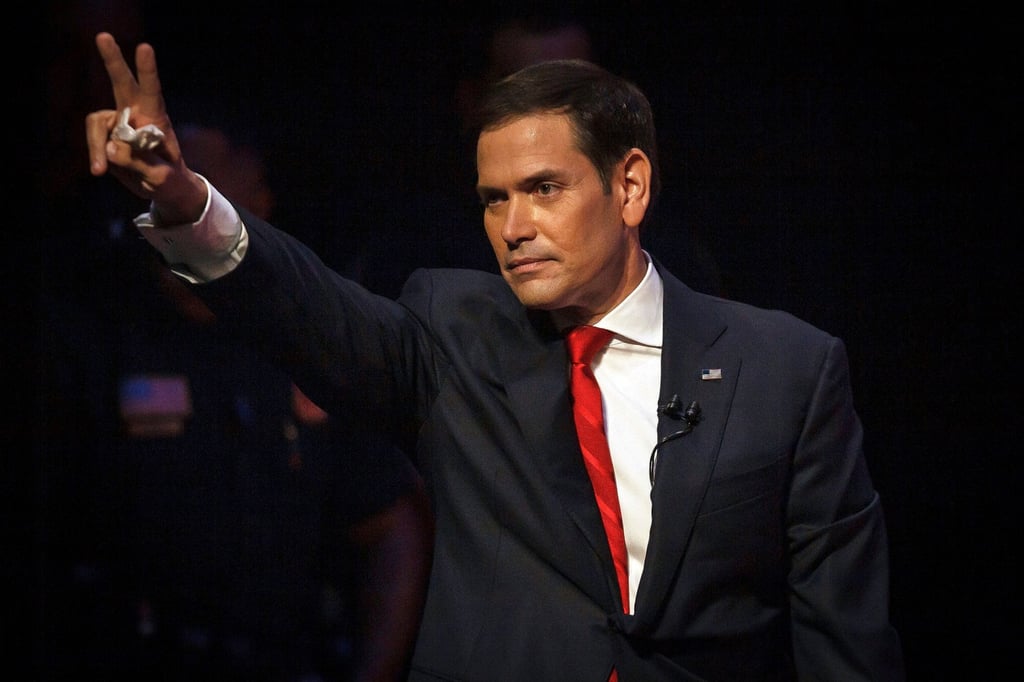
The continuing presence of these lawmakers would reinforce what most observers have described as a bipartisan consensus on China.