Foreign manufacturers hope US modifies stance on EVs and hi-tech components after midterms
- US President Joe Biden signed legislation to incentivise domestic production and reduce supply chain threats, especially from China
- But allies including South Korea, Japan and EU as well as affected industries have said the regulations violate international trade laws and are seeking corrections

When US President Joe Biden signed his signature green-energy legislation into law in August, it was already drawing fire for the protectionist cover it gave domestic manufacturers of electric vehicles and components like semiconductors and lithium-ion batteries.
Now, global EV manufacturers say they hope for at least some form of relief from the law’s restrictive provisions – either administrative exemption or legislative amendments – once the US midterm elections are done next week.
South Korea, Japan and the European Union have described the regulations in the Inflation Reduction Act that grant tax credits to US consumers only for electric vehicles assembled in North America as “discriminatory” and against “international trade rules”.
Several foreign government and industry delegations have raised objections and sought “corrections” from the US Congress and the White House.
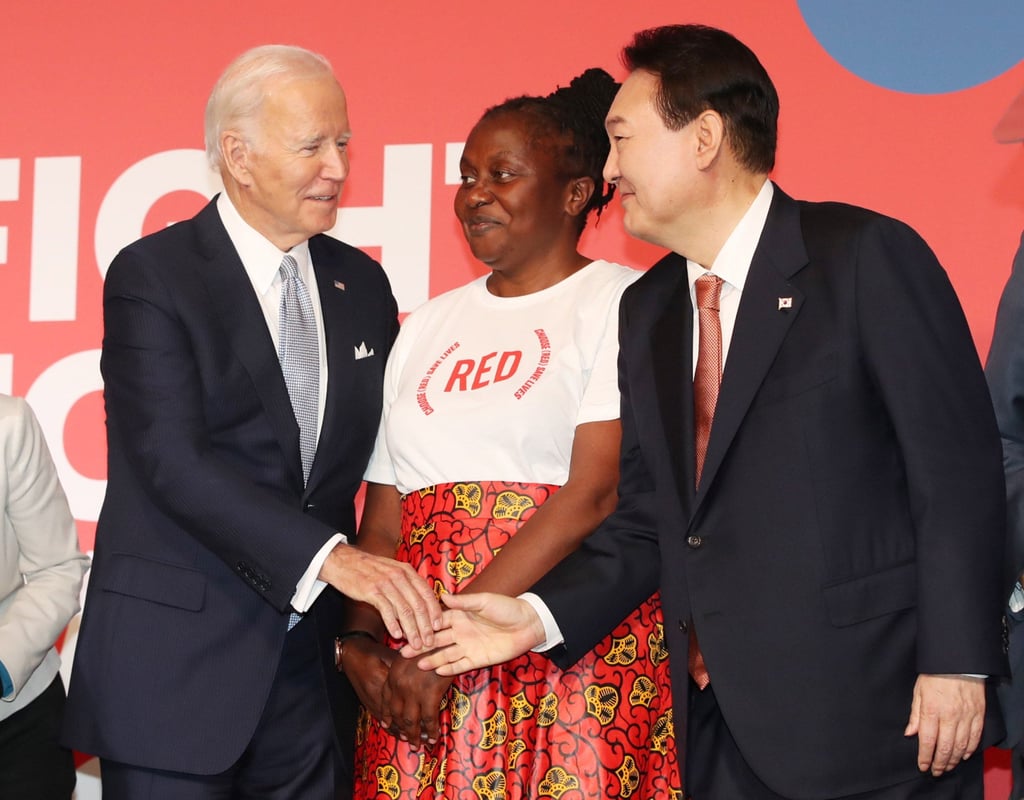
South Korean President Yoon Suk-yeol asked Biden to address Seoul’s opposition to new rules on tax subsidies during his first visit to New York for the United Nations General Assembly in September. Last month, Biden sent a letter to Yoon vowing to demonstrate a “clear will to be considerate to Korean business”.
A US Treasury Department spokesperson said that talks with “trading partners” on “what is in the range of feasible” were continuing as part of the “work to implement this landmark law”. Public comments were accepted on the matter until Friday.