US officials hail Japan’s national security and defence shifts as good for Indo-Pacific stability
- Japan’s new documents ‘reshape the ability of our alliance to promote peace and protect the rules-based order,’ US Secretary of State Antony Blinken says
- Citing China’s perceived threat, Japan’s cabinet approves new defence and national security strategies and effectively doubles the planned security budget

Top US officials – from the State Department to the Pentagon to the national security adviser – have hailed Japan’s new defence strategies, which signal the country’s largest military overhaul in decades and contain hardened language toward China.
“Japan’s new documents reshape the ability of our alliance to promote peace and protect the rules-based order in the Indo-Pacific region and around the world,” US Secretary of State Antony Blinken said in a statement on Friday, echoing the others.
Earlier in the day, Japan’s cabinet approved new defence and national security strategy documents as well as a significant defence spending hike, raising its security budget to 2 per cent of gross domestic product by 2027, effectively doubling the informal cap of 1 per cent of GDP in place since 1976.
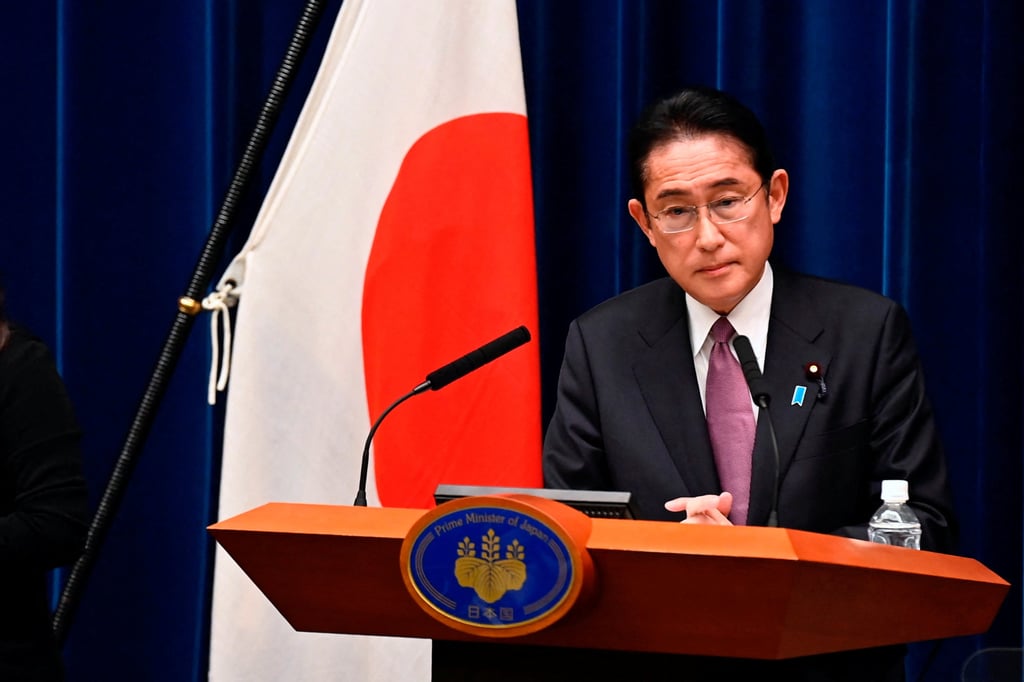
Moreover, the documents include plans for Japan to acquire counterstrike capabilities, which would allow it strike into enemy territory – widely understood to be China and North Korea – to deter attacks, though they maintain that none of the plans change Japan’s “exclusively defence-oriented policy”.
Stopping short of labelling China a threat, the Japanese documents called Beijing’s activities a matter of “serious concern” that posed an “unprecedented” and “greatest” strategic challenge to Japan’s security.
The National Security Strategy – one of three documents released on Friday – accuses China of economic coercion, trying to undermine the international order and rapidly enhancing its military power “without sufficient transparency”.
Updated for the first time since 2013, it notes that China has not “denied the possibility of using military force” to pursue reunification with Taiwan and that security concerns were growing in the Taiwan Strait.