Dismissed US case shows divide within Tibetan diaspora – and the thin line Beijing makes it walk
- Baimadajie Angwang, a Tibetan-American New York police officer, was accused of being an agent for China, but charges were dropped in January
- Even so, one observer says, Beijing seeks to sow division among Tibetans, and in bringing the case, the US helped magnify these divides

When the US Justice Department first accused New York police officer Baimadajie Angwang of collecting information on fellow Tibetans for the Chinese government in September 2020, the Tibetan diaspora was rocked – but also comforted.
For years they had suspected Beijing was spying on them. Finally, it seemed, US authorities were taking their concerns seriously.
Angwang, 36, soon found himself indicted by a grand jury and jailed for six months at the height of the Covid-19 pandemic, regarded as a traitor by both the Tibetan and American communities he called his own.
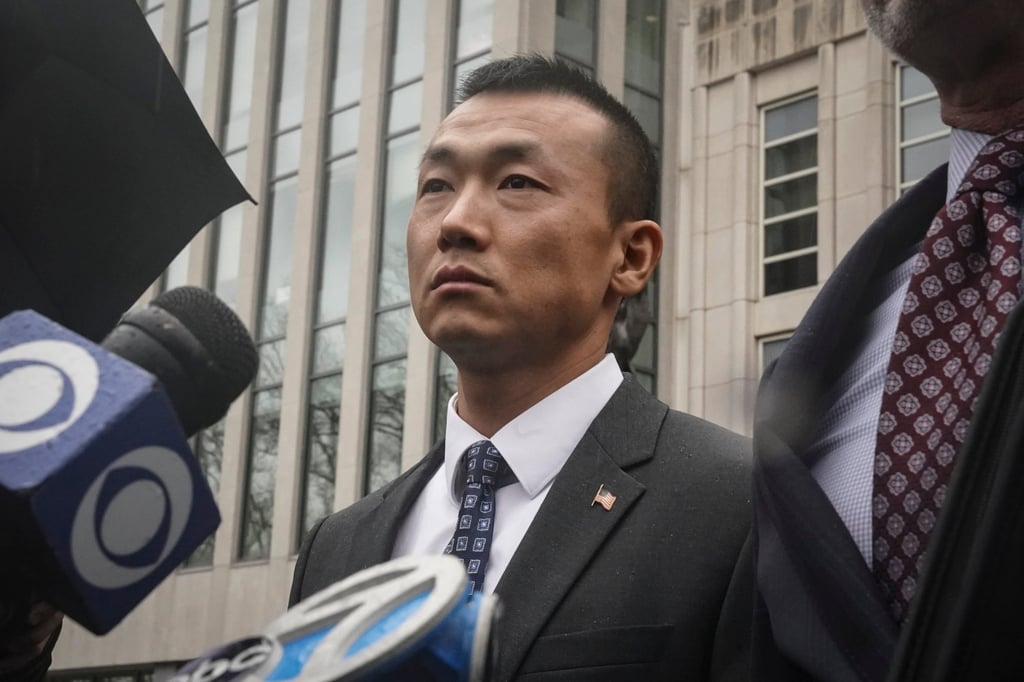
What unfolded was a story of the thin line between the accommodations ordinary people feel compelled to make when dealing with the Chinese government and the acts of a willing foreign agent – and of a divided diaspora caught in a rivalry between two superpowers.
Friend or foe
Beijing considers Tibet a long-standing Chinese territory, but many Tibetans call for independence, arguing that their homeland was illegally annexed in 1951.