‘We’re not afraid of US, we’re a strong nuclear power’: an inside look at how North Korea is coping amid sanctions
Despite petrol stations limiting supply amid possible tightening of oil exports, a Post reporter finds signs of vigour in North Korea’s capital city

“Thank you all for visiting us at such a tense time, when we are having so many difficulties,” Kim, my Pyongyang tour guide, told the guests. “If the sanctions cut off our oil supply, our bus will have to stop.”
Kim was the tour guide assigned to my group of visitors to Pyongyang late last month. It was my first time in five years revisiting the capital city of the reclusive state that keeps a tight watch over its foreign visitors and carefully vets what they are allowed to see and experience.
As Kim spoke, I observed some of the city’s small number of vehicles visibly parked off-road. It was said some petrol stations had limited their supply amid growing concern that China would tighten its oil exports to North Korea.
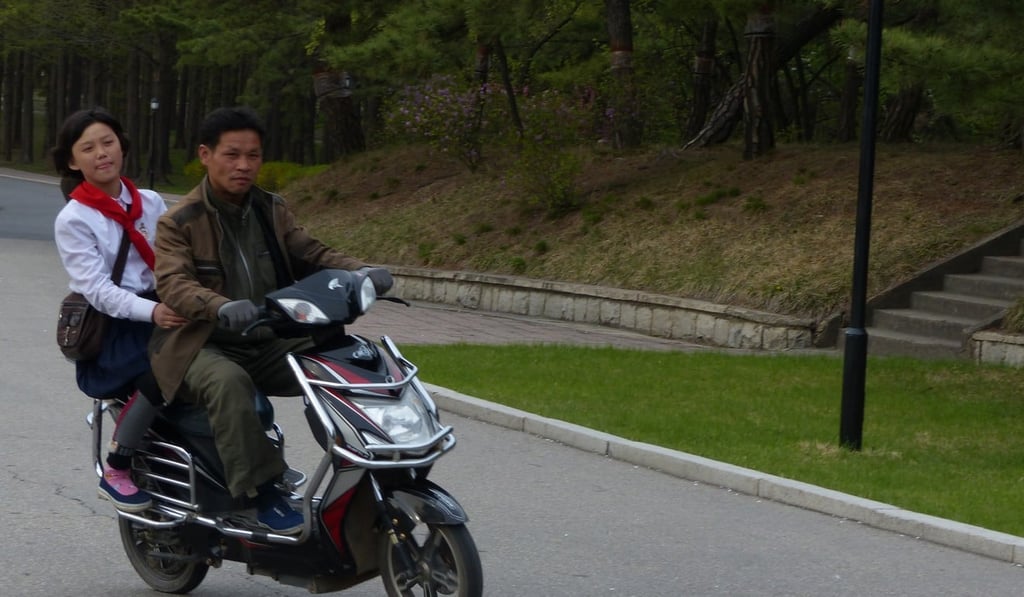
But restricted fuel sales do not seem to have affected daily life in Pyongyang, as public transport has continued to function normally. Most people in the capital city actually ride bicycles to work. In fact, the use of electric bikes has grown, and some of the green and orange taxis on the road are hybrid or electric vehicles made by China’s BYD.
As our tour bus bumped up and down on the cracks and pits, the poor maintenance of roads exposed another obvious result of sanctions. Most of Pyongyang’s roads were built in the 1990s, before the economy fell into trouble and the songun, or military-first policy, prioritised defence programmes such as nuclear and missile research over any infrastructure development.
The guide apologised for the road condition, and explained it would take too much asphalt – another imported petrol product on which North Korea relies – to properly repair the road built with old techniques. Meanwhile, teams of construction workers were burning wood to melt some solid black substance – likely asphalt – in large iron woks by the roadside, creating heavy black smoke and a stink.