How North Korea keeps its economy humming despite the sanctions
While a total Chinese shutdown of trade would bring the country to its knees, at the moment it’s not doing too badly, writes Justin Hastings

While it would be wrong to say the North Korean economy is going like gangbusters, it is surprisingly stable, despite increasingly onerous sanctions.
Pyongyang is experiencing a building boom, food prices appear to have stabilised, North Korea is somehow able to fund an annual current accounts deficit with China, and the overall economy even grew 3.9 per cent in 2016, according to the South Korean central bank.
This raises the obvious questions of where North Korea’s money is coming from, and how it is getting – and paying for – the sanctioned items that are showing up in Pyongyang markets, like luxury cars.
The United States and other countries point to weapons sales, drug trafficking, computer hacking, insurance fraud, and the like, as the source of North Korea’s wealth, such as it is. But the truth is more complicated. The North Korean government, and the North Korean economy in general, have a plethora of ways of getting the money and supplies they want. North Korea is no longer a socialist economy, and it is not clear that the North Korean government is particularly dependent on the traditional targets of sanctions for its revenues.
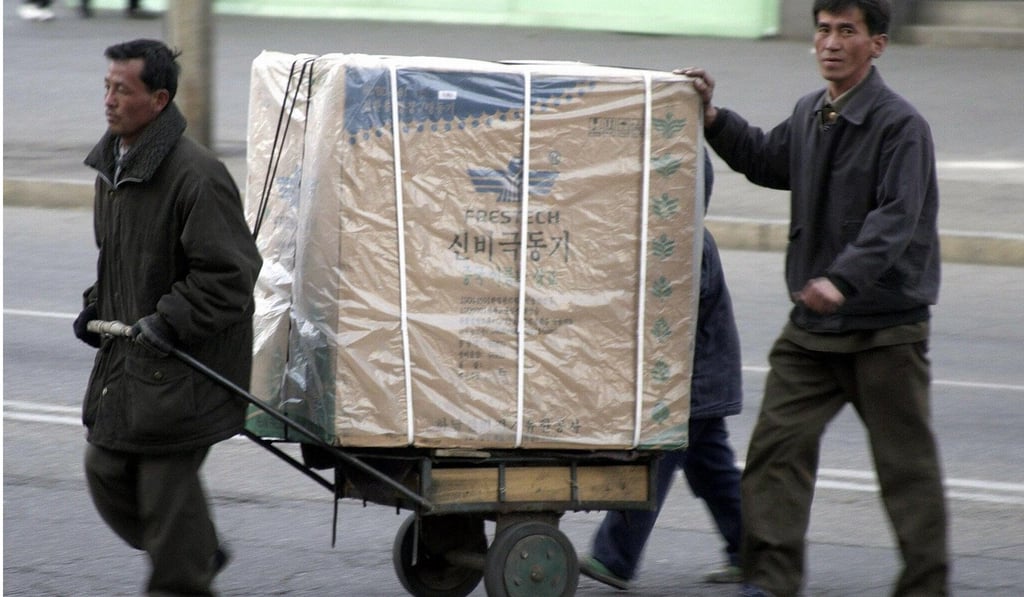
Based on interviews, partly with Chinese doing business in North Korea, and site visits, partly to North Korean businesses, throughout China, South Korea and Southeast Asia, for my book A Most Enterprising Country: North Korea in the Global Economy, it appears that North Koreans at all levels of society survive by becoming entrepreneurs, evincing a combination of pragmatism, creativity and ruthlessness.