Why China’s US trade stand-off is not a replay of Japan’s in the 1980s
Washington is using some of the same trade tools against Beijing that it once used against Tokyo – but this time things are different

At first glance, China’s trade frictions with the US seem to be of a piece with the confrontations Japan faced in the 1980s: a surging Asian economy becomes a threat to American dominance in world trade and the US retaliates by crying foul and demanding concessions.
Last Monday People’s Daily ran a commentary by former Japanese prime minister Yasuo Fukuda comparing the trade war threat China is facing with what happened to Japan in the 1980s and cautioned China to “learn from the painful lesson of Japan”.
But there, analysts say, is where the similarities end. China is not Japan and Beijing is better positioned today than Tokyo was three decades ago to manage the threat of a trade war.
When they initiated trade action against China, US President Donald Trump’s trade policy team, led by US Trade Representative Robert Lighthizer, appeared to be relying on the approach Washington took in battles with Japan. (Lighthizer had been a deputy trade representative in the Reagan administration.)
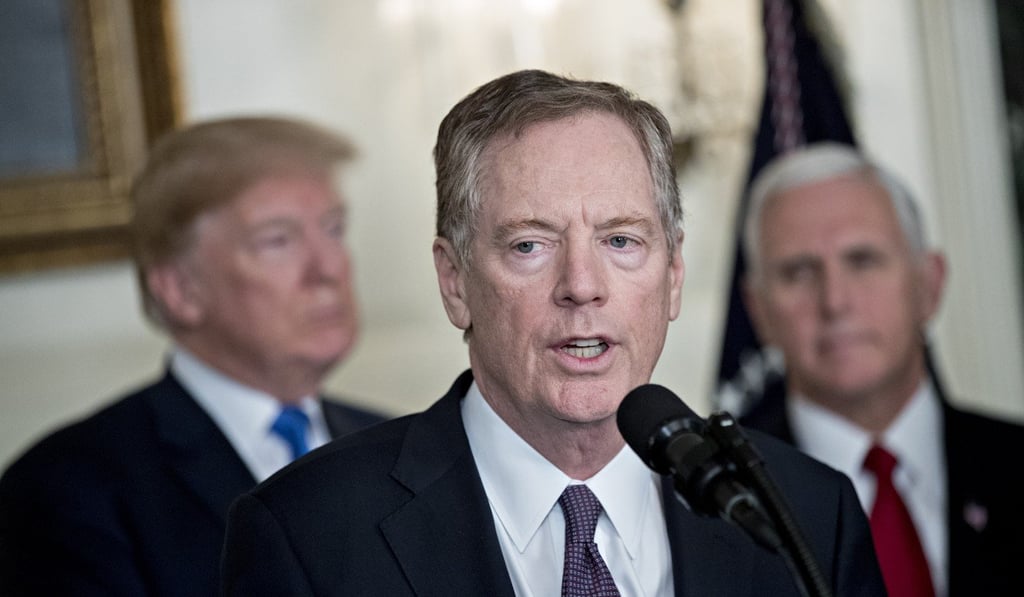
Last August, the US began a Section 301 investigation under the Trade Act of 1974 – a tool it used frequently against Japan – of what it contends is China’s discriminatory industrial policy and intellectual property thefts.
While Trump continues to press China to narrow its trade surplus with the US, this round of 301 Section investigation has centred on Beijing’s industrial policy and hi-tech ambitions.