
How a ‘familiar’ summit put new life into the Korean peninsula’s hopes for peace
Ankit Panda writes that the primary value of the Panmunjom declaration was Seoul and Pyongyang’s joint agreement on a vision of inter-Korean peace

In the aftermath of last week’s historic summit between South Korean President Moon Jae-in and North Korean leader Kim Jong-un, Korea-watchers and security commentators commonly have emphasised how much of the event was unsurprising and reminiscent of previous inter-Korean summits in 2000 and 2007.
Yes, we have been here before – twice – without attaining either peace on the peninsula or North Korea’s disarmament. Nevertheless, it doesn’t strike me as particularly useful to dwell on the Panmunjom parley’s familiarity and the declaration’s ensuing language.
Rather, important differences between this summit and its predecessors merit close attention.
The first is the summit’s timing. As I noted in my recent column, Moon has learned his lesson from Roh Moo-hyun’s 2007 meeting with Kim Jong-il, which took place late in the former South Korean president’s tenure. Roh, ultimately, was unable to see through the implementation of the meeting’s resolutions.
Date and venue set for Trump-Kim summit ‘to be unveiled soon’
Moon, by contrast, has potentially set up an inter-Korean process that he can implement over the remaining four years of his term. His critics had argued that, given his share of the popular vote in the 2017 presidential election, he had lacked a mandate to proceed with bold action in this area.
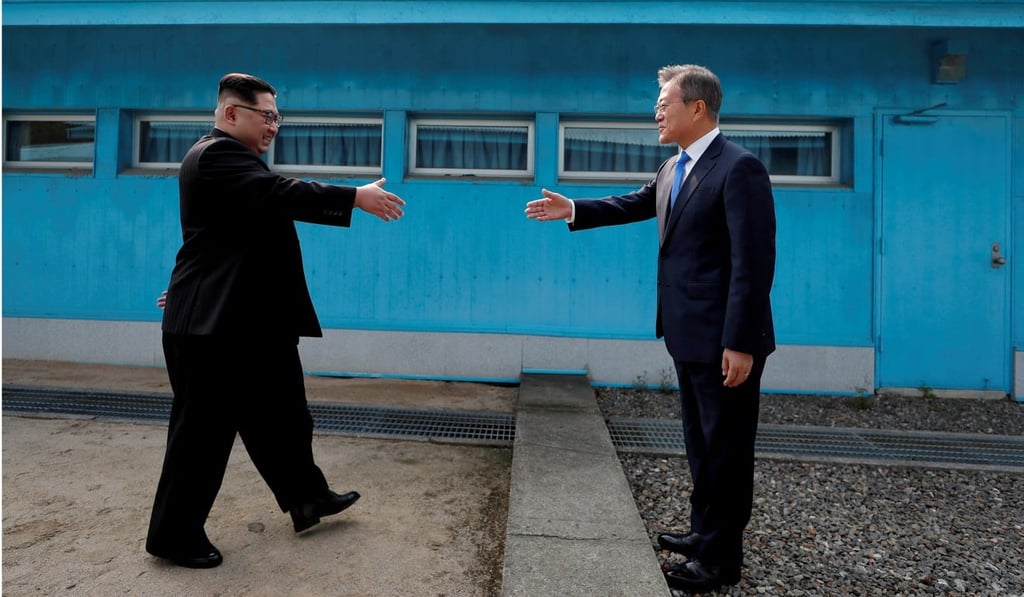
Public opinion polling after the summit, however, showed that criticism to be off the mark. With nearly 90 per cent of South Koreans approving of the Panmunjom summit in recent surveys, it’s clear that Moon’s rapprochement enjoys support.
The second noteworthy difference between the Panmunjom meeting and its predecessors is the unprecedented level today of North Korea’s nuclear and ballistic missile sophistication.