Trade war another blow for US beef exporters trying to regain foothold in China
After Beijing ended a nearly 14-year ban on imports, tariffs may put pressure on US cattle farmers and meatpackers at ‘fragile time in Chinese market’

The escalating US-China trade war will make it even tougher for US cattle farmers to sell to China, the world’s second largest beef importer, after Beijing ended a nearly 14-year ban on American beef.
China raised tariffs on US beef from 12 per cent to 37 per cent in early July – part of its retaliatory duties on US$34 billion of American goods – dealing another blow to US cattle farmers trying to regain their foothold in the fastest-growing beef market.
While American beef exports to China remain small, in May they reached their highest level since Beijing lifted the embargo on US beef last June, more than a decade after the trade was halted in 2003 over the “mad cow disease” outbreak. Resuming the imports was one of China’s concessions to the US, the world’s largest producer of beef, during the “100-day plan” between the two countries last year – a short-lived attempt to improve bilateral economic ties.
But now the intensifying trade war between Beijing and Washington may put pressure on American cattle farmers and the “Big Four” US meatpackers: Tyson Foods, Cargill, JBS and National Beef.
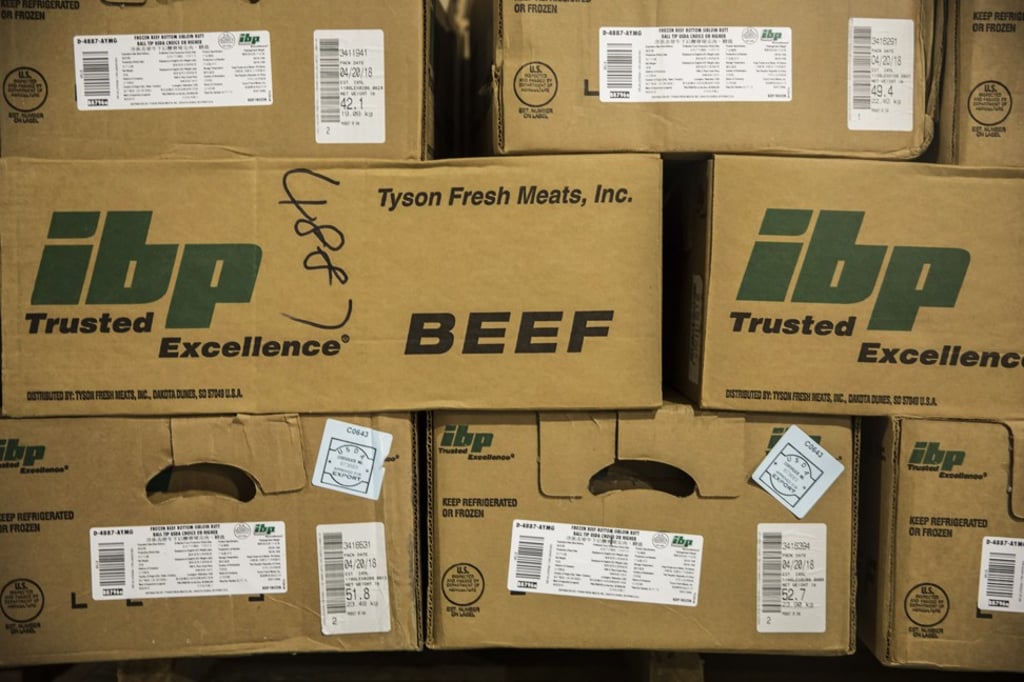
The US Meat Export Federation (USMEF), a non-profit trade organisation, said the additional duties had come at a “fragile time in the Chinese market for US beef”, estimating that losses to the industry would exceed US$30 million this year, with hundreds of millions in potential losses in the coming years. It estimated that reopened access to China would have increased the value of beef exports from US$70 million in 2018, before the tariffs, to US$430 million by 2020.
But the additional 25 per cent tariff would place US exporters at a disadvantage, compared to the 7.2 per cent duty that Australian beef imports are subject to under their free-trade agreement with China.