Beijing’s aggression in South China Sea driving expansion of Southeast Asian coastguard fleets, report says
Use of non-military vessels allows countries to protect their sovereignty claims in disputed waterway without the tension of a naval presence, study says

Beijing’s increasingly aggressive behaviour in the South China Sea has driven many Southeast Asian nations to expand their coastguard capabilities as a way to maintain a presence in the region without risking military engagement, an Australian think tank said.
To stop maritime encounters, with China or each other, escalating into military conflicts, countries with claims to the disputed waterway have been transferring security forces from their navies to their coastguards, the Australian Strategic Policy Institute said in a report published on Wednesday.
“The coastguards have become important strategic cushions between navies in Asean,” it said, using the acronym for the Association of Southeast Asian Nations.
Beyond the threats from piracy, terrorism, organised crime and illegal fishing, the primary reason for nations increasing their coastal forces has been “China’s aggressive maritime strategy”, including the construction of military outposts and distant fishing activities in other countries’ exclusive economic zones, the report said.
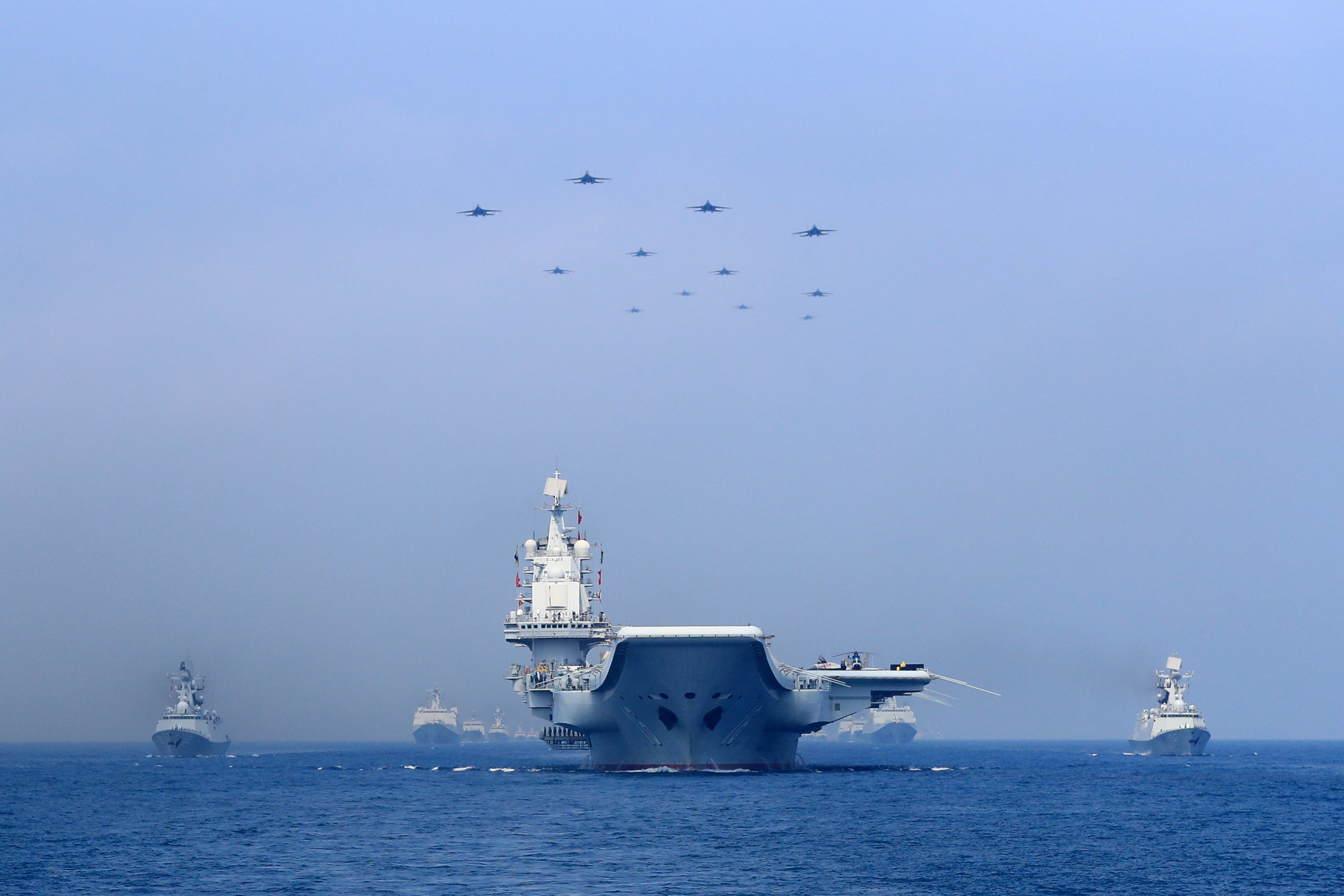
The use of the civilian form of law enforcement allows countries to maintain a presence and protect their sovereignty claims in the sea without the tension of a military deployment, meaning they are less likely to offend China, it said.
Of the 45 major incidents to have been reported in the South China Sea between 2010 and 2016, 32 involved at least one China Coast Guard or other Chinese maritime law enforcement vessel, it said.