
How Mike Pompeo wrapped a bid to safeguard the Asia-Pacific’s status quo in an infrastructure investment plan
Ankit Panda writes that the US’ basket of investment funds and Belt and Road expenditures are not comparable given differing geoeconomical tool kits

The United States is getting serious about its commitment to the Indo-Pacific – at least that’s what the Trump administration would have you think.
This week, US Secretary of State Mike Pompeo delivered what was billed as a major speech on the theme of the US’ strategy for the region now described as the Indo-Pacific – a strategically amorphous and massive region extending from San Diego to the western coast of India.
The top-line announcement from Pompeo – accompanied by a simultaneous announcement from Japan and Australia – was a US basket of investment funds totalling US$113.5 million. Naturally, regional observers saw it fit to draw comparisons between the US sum and the capital expenditures being put up by China under the aegis of the Belt and Road Initiative.
The numbers bandied around concerning the Belt and Road – often on the order of US$1 trillion – are exaggerated, but there’s little doubt that China’s actual capital outlays eclipse the number put forward by the US.
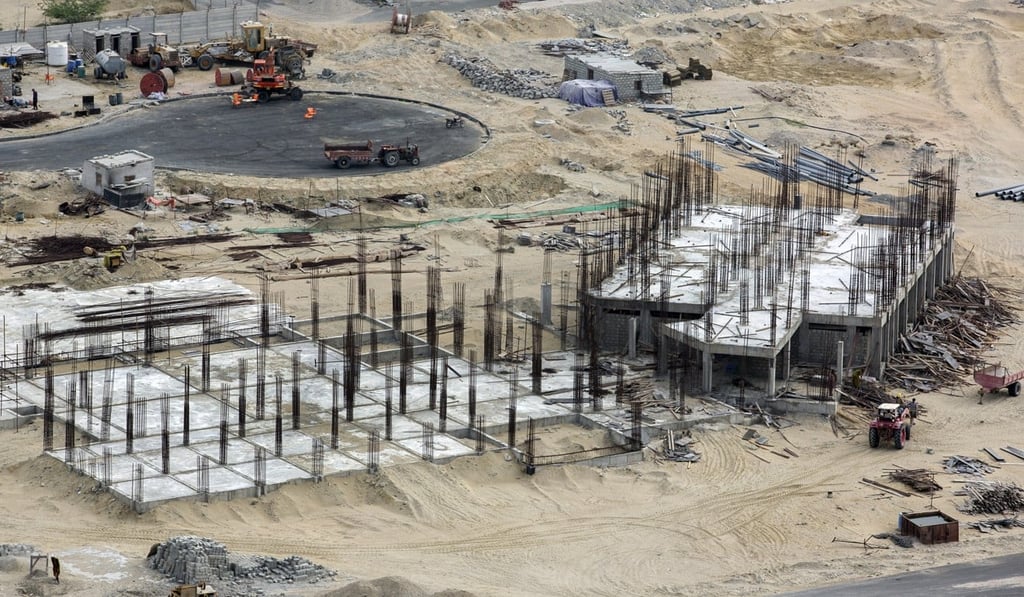
China hasn’t quite laid down US$1 trillion, but has certainly put up tens of billions of dollars in investments across the wider Asian region.