
How the next inter-Korean summit only raises the stakes for South Korea’s Moon Jae-in
The talks will have ‘deep implications’ for the trajectory of this year’s remarkable turn towards diplomatic engagement with North Korea, Ankit Panda writes

Earlier this year, the world eagerly anticipated what was once a rare event: an inter-Korean summit.
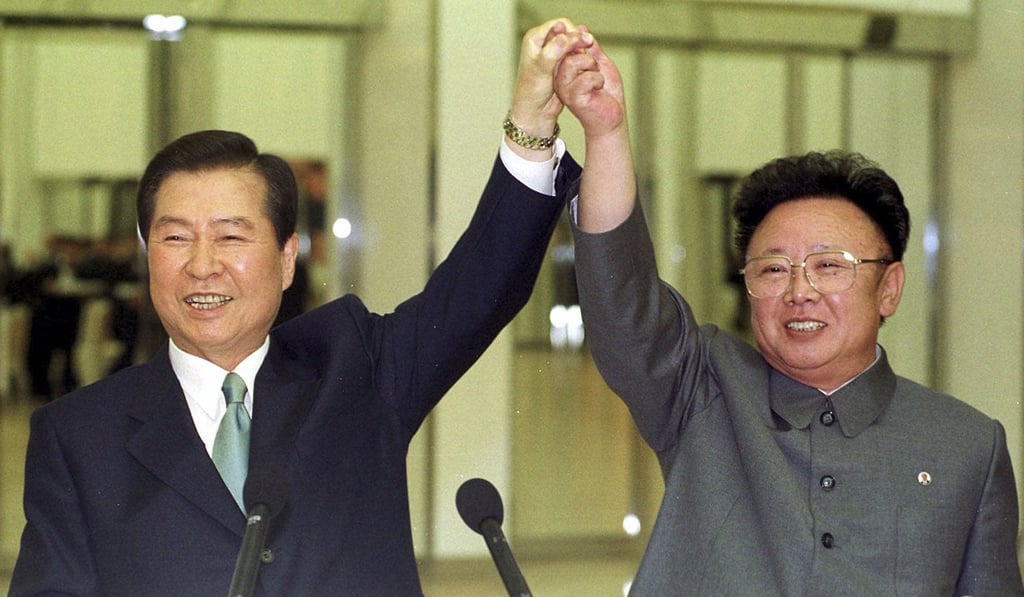
Following just two previous meetings – involving former North Korean leader Kim Jong-il and progressive South Korean presidents Kim Dae-jung and Roh Moo-hyun, in 2000 and 2007 respectively – current President Moon Jae-in met Kim’s son, Kim Jong-un, on April 27 at the Panmunjom Truce Village.
The meeting was the first inter-Korean summit outside Pyongyang and supercharged Moon’s domestic popularity. It represented the culmination of three months of intense diplomacy, following Kim’s New Year’s Day change of heart on January 1.
After more than 40 ballistic missile tests and three nuclear tests between 2016 and 2017, Kim had declared his nuclear deterrent force complete and opened up to the world, pursuing talks not only with Moon, but with President Xi Jinping and, eventually, US President Donald Trump.
While much of the world – certainly the United States – has zeroed in on the issue of denuclearisation, there is the obvious matter that the inter-Korean diplomatic process is about much more than just the final status of North Korea’s nuclear weapons and ballistic missiles.