
Pentagon’s goal of stopping enemy missiles before they’re launched risks amplifying North Korean danger
US efforts to disable Pyongyang’s weapons without a shot being fired just leave Kim Jong-un guessing, and that could lead to trouble, Ankit Panda writes

Starting in the Obama administration, the United States began studying ways to covertly use offensive cyber capabilities to disable North Korea’s missiles before they could launch. These efforts have intensified under the Trump administration, which has loosened Obama-era guidance on the conditions under which the United States could use cyberweapons.
In fact, earlier this year, a leaked document showed – without naming North Korea specifically – the development of a policy within the Pentagon to pursue “pre-conflict left of launch operations” against missiles. The Pentagon’s policy effort clarified that these kinds of capabilities would be used against an “imminent missile attack”.
Of course, the United States should, and has a public obligation to, defend its citizens from an imminent missile attack, but these kinds of left-of-launch efforts can be destabilising, particularly for the kinds of doubts they will instil in North Korea, which is today a new nuclear power with an acute sense of vulnerability.
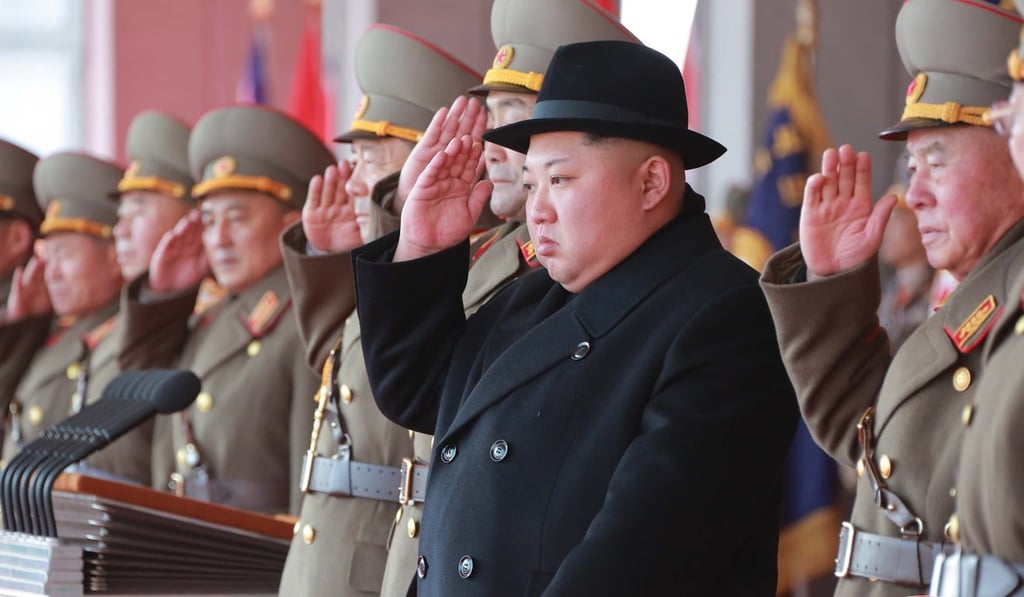
Despite the euphemism “left of launch”, what US planners really mean is old-fashioned counterforce against North Korea, whereby its nuclear capabilities are destroyed, leaving it unable to strike the United States. Where more rudimentary conventional and nuclear means of kinetic counterforce would have been obvious in execution, furtive and covert cyber means leave North Korea guessing.
The US likely isn’t using cyber means to disable individual North Korean missiles as they plan to launch today, but could interfere with anything from a missile’s guidance to North Korea’s manufacturing supply chain. There’s no way for North Korean leader Kim Jong-un to know for sure.