War of words: how the United States got lost in Chinese translation
- US officials accused of manipulating textual nuances in Chinese warfare book to support tough China policy
- US author accuses China of using a ‘secret code’ in its language to hide a plot to top the US as a world power

As US-China tensions rise, hawks in both countries agree on one thing: America’s understanding of China has been lost in translation.
The sides – which are locked in a trade war – accuse each other of misusing – or misappropriating – the ambiguity of the Chinese language.
Some Beijing officials have accused those in the United States of manipulating the language’s nuances to move American public opinion and decision-making to favour US interests. For their part, however, US hawks have been far harsher in linking the words that Chinese people use for communication to a plot to displace the US as the global superpower.
“The language’s very complexity is like a secret code,” wrote Michael Pillsbury, a White House adviser and author of The Hundred-Year Marathon, a book said to have greatly influenced the Trump administration’s hard-nosed China policy.
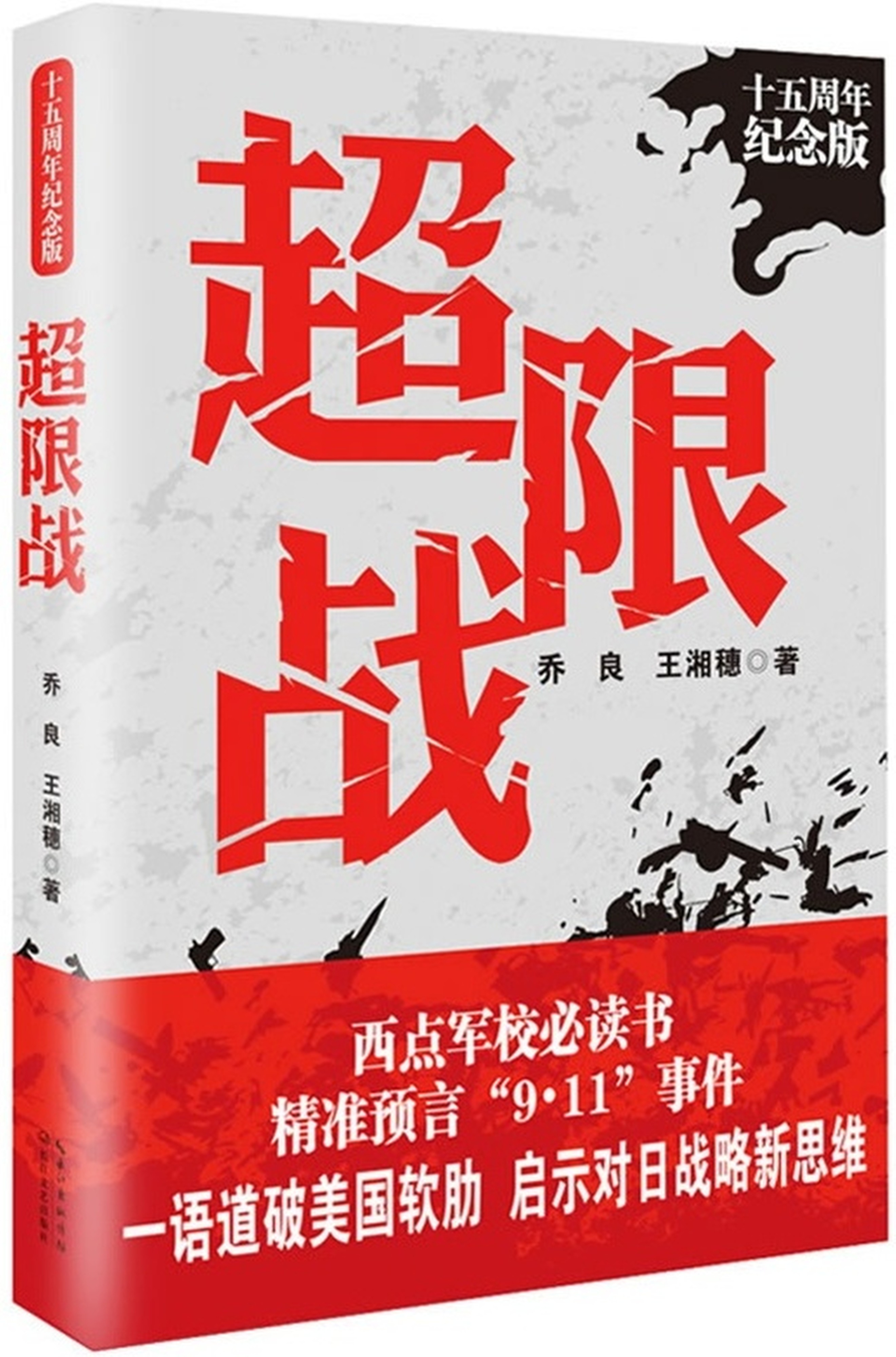
Pillsbury argued in his 2015 book that China’s hawks used the intricacies of the Chinese language to conceal a century long “strategic deception” plan aimed at overtaking the US as the top superpower.