How ‘Made in China 2025’ became a lightning rod in ‘war over China’s national destiny’
- Industrial modernisation programme aims to make the country a dominant player in 10 strategic industries
- Trump labelled the programme a threat to US economic growth and an example of China’s allegedly unfair trade practices

As the US-China trade war grinds on, its focus has shifted from deficits and surpluses to more technological matters. Washington is not only demanding that Beijing end its practice of forcing foreign joint venture partners to transfer technologies to Chinese collaborators, but also wants to scrutinise the work of US-based Chinese researchers. In this final instalment in a series of reports on the trade war, we look at whether China will adjust its industrial upgrade programme that has been at the dispute’s centre.
“Made in China 2025.” For some, this Chinese industrial modernisation programme is merely the big bone of contention in the Washington-Beijing trade battle as Chinese and American negotiators struggle to de-escalate the months-old confrontation between the world’s two largest economies.
But for others it is nothing less than the catalyst in “a war over China’s national destiny”.
What is certain is that “Made in China 2025” (MIC2025), the linchpin in Beijing’s aim to become a dominant player in 10 strategic industries, has come under increasing scrutiny ever since the administration of US President Donald Trump labelled it a threat to US economic growth and an example of China’s allegedly unfair trade practices.
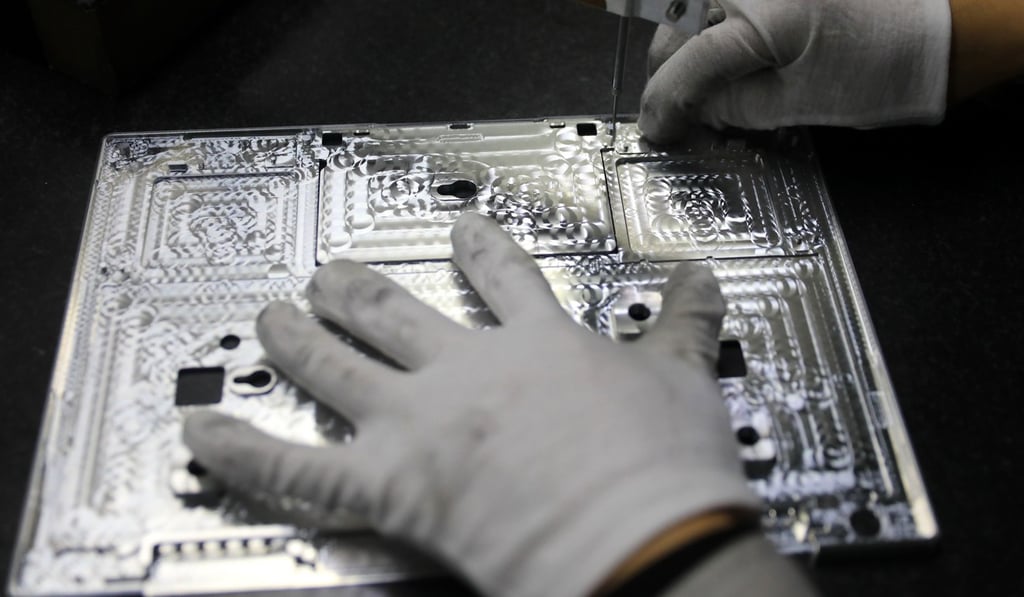
“China, in my view, brazenly has released this China 2025 plan that basically told the rest of the world, ‘We’re going to dominate every single emerging industry of the future, and therefore your economies aren’t going to have a future,’” White House trade adviser Peter Navarro told Bloomberg Television on March 28 last year.
While Beijing has long said the plan comes out of a legitimate need to move up the value chain in global manufacturing and would remain friendly to foreign companies operating in the country, the programme has become a lightning rod in the trade war as many of the industries in which it seeks to promote Chinese excellence, including information technology and robotics, have been targeted by Trump’s punitive tariffs.