G7 stays silent over China’s Belt and Road Initiative after failing to reach consensus
- World’s leading economies unable to agree joint approach to infrastructure project after Italy became first member to join

The G7 has steered clear of criticising the Belt and Road Initiative after Italy became its first member to sign up for the infrastructure project last month despite growing concerns among many Western nations about Beijing’s influence.
Foreign ministers of the Group of Seven nations, which represent the world’s most advanced economies, concluded their two-day annual meeting in Dinard, western France on Saturday with a joint communique that included veiled criticisms of China over issues such as intellectual property theft, market access, its military ambitions and human rights abuses.
The Japan Times quoted an unnamed Japanese official as saying that some members had touched on the multibillion-dollar infrastructure project during their discussions, but the final communique made no reference to it.
This silence is a possible indicator of the split among world powers on views towards the initiative, which some see as an opportunity but others fear will lure countries deeper into Beijing’s economic orbit and burden them with unsustainable debts.
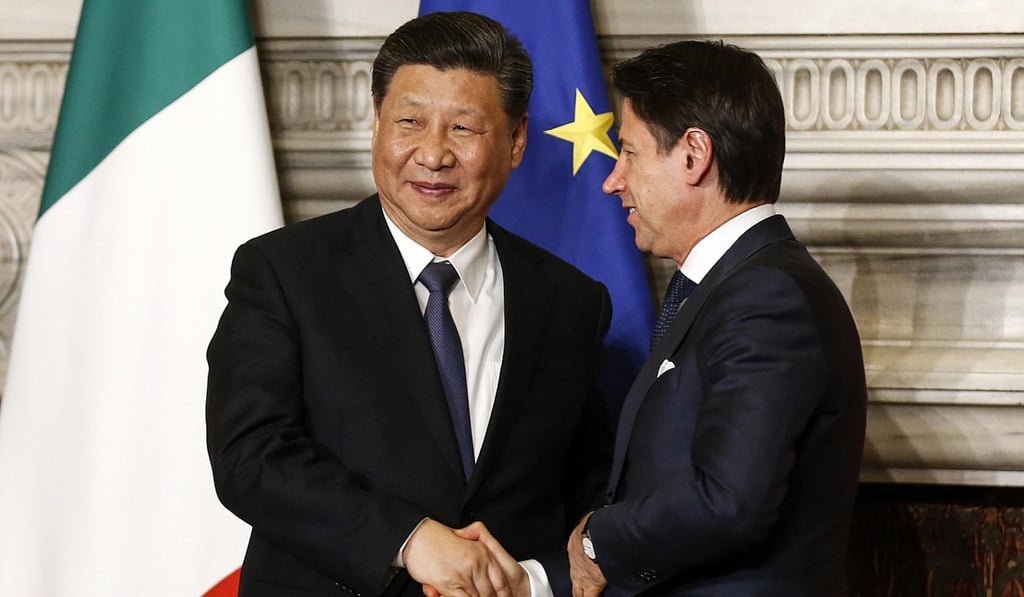
The G7 countries – the US, Canada, Britain, France, Germany, Italy and Japan – have questioned the transparency and intentions behind the Belt and Road Initiative since it was launched in 2013, but Italy became the first member to sign up last week.
In doing so it ignored warnings both from the rest of the G7, and also the European Union, which is trying to build a coherent strategy in the face of China’s growing economic and international influence.