China meets resistance over Kenya coal plant, in test of its African ambitions
- Court revokes licence for coal-fired power plant in Kenyan town whose Unesco World Heritage status is at stake
- Beijing’s efforts to cut emissions domestically coincide with coal-financing ventures overseas

This article is part of a series in which the South China Morning Post examines the local impact of Chinese investment and infrastructure projects in Africa.
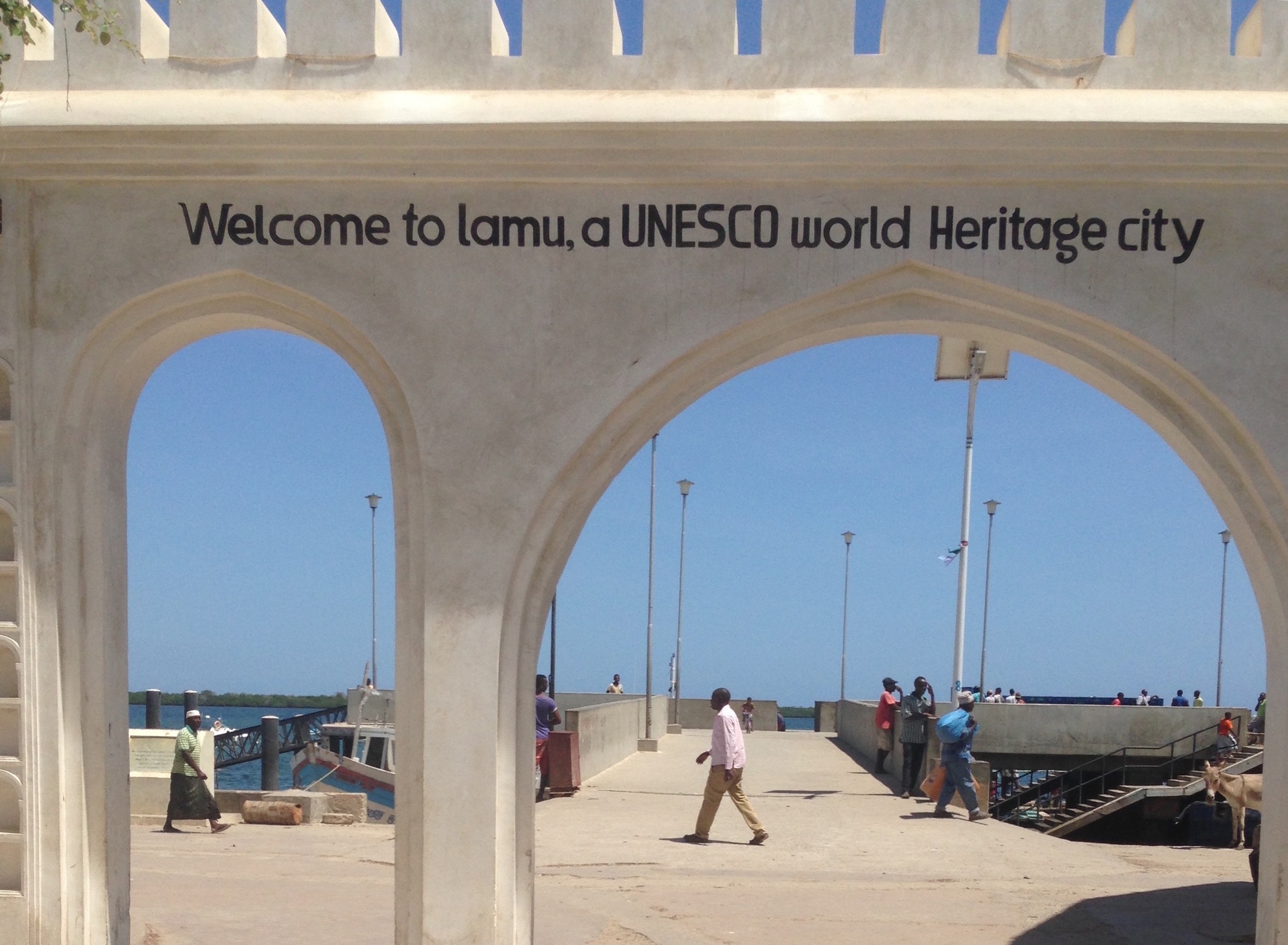
There are a few places in the world that have held on to their traditions. One is the island of Lamu, close to Kenya’s northern coast, which is an epicentre of Swahili culture in East Africa and home to its oldest and best-preserved history.
Nowhere combines the culture’s architecture and heritage like Lamu Old Town, where there are two streets, few cars and dozens of mosques and churches. Donkeys and wooden carts are the main modes of transport.
The town is a Unesco World Heritage Site with multibillion-dollar tourism and fishing industries. But it risks losing its global allure after Unesco’s World Heritage Committee warned that a US$2 billion coal-fired power plant planned in the area threatened its heritage site status.
Four Chinese companies are involved in the project. The United States also supported it, with its envoy to Kenya, Kyle McCarter, saying the country needed cheaper power and American energy firm GE promising to inject US$400 million for a 20 per cent stake in Amu Power, the operating company. The Kenyan government has said the plant would enable the country to have a diversified source of electricity.