Chinese officials have finally discovered Twitter. What could possibly go wrong?
- Senior diplomats have started using Donald Trump’s medium of choice to convey Beijing’s message directly to the world but it could prove a double-edged sword
- Tweets allow China to bypass more traditional channels, but a recent spat that saw a senior envoy being branded a ‘racist disgrace’ highlights the pitfalls

China’s diplomats are finally warming to Twitter as they move away from their traditionally low-key style of communication and seek to engage more directly with the rest of the world.
While governments and politicians across the world have long understood the value of using the platform to communicate their views directly, it remains banned in mainland China and its diplomats have traditionally preferred to use more formal channels and state media to convey their message.
When US President Donald Trump, the most high-profile tweeter of all, first began using the platform to criticise China, Beijing even complained – through state news agency Xinhua – that such tweets “have broken decades-old diplomatic protocols”.
But now the country’s diplomatic corps – from the ambassador to Washington downwards – has started exploring the world of cyberspace beyond the country’s “Great Firewall” as they seek to react to growing criticism of Beijing’s policies in the US and other Western countries.
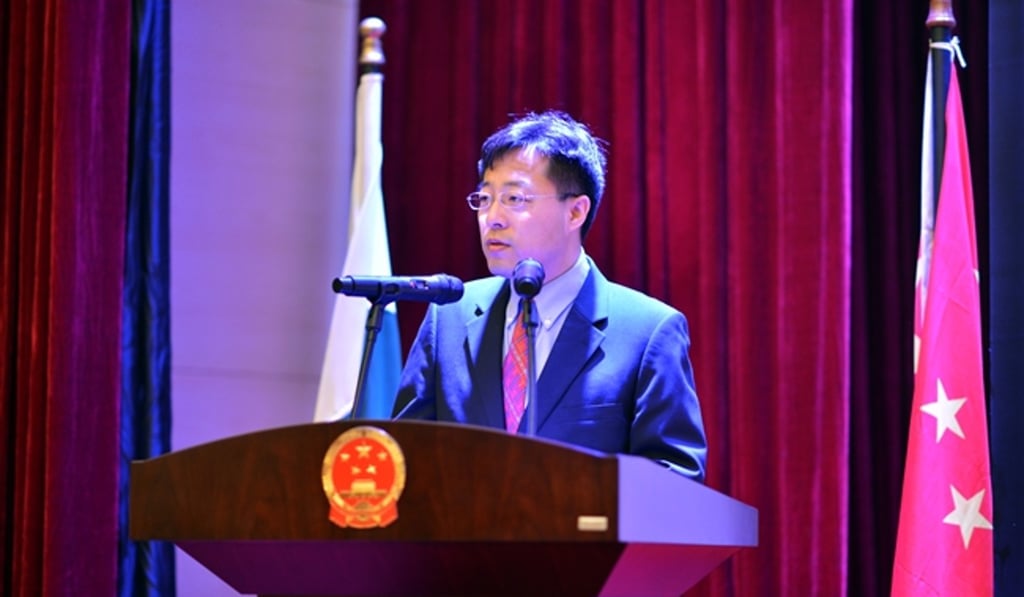
But even though most Chinese diplomats are careful to stay strictly on-message in their tweets, the nature of the platform is such that they still sometimes find themselves becoming embroiled in less than less-than-diplomatic exchanges with Beijing’s critics.
The most notorious example so far involves Zhao Lijian, the deputy chief of mission for the Chinese embassy in Pakistan, who became embroiled in a race row with a former White House official.