China poised but not rushing to follow Russia plan for Middle East as Donald Trump’s administration leaves vacuum by rushing out of Syria
- As US influence wanes in the region President Vladimir Putin is moving in with multilateral security plans
- Beijing has welcomed Russian proposals but will be wary of signing on too quickly

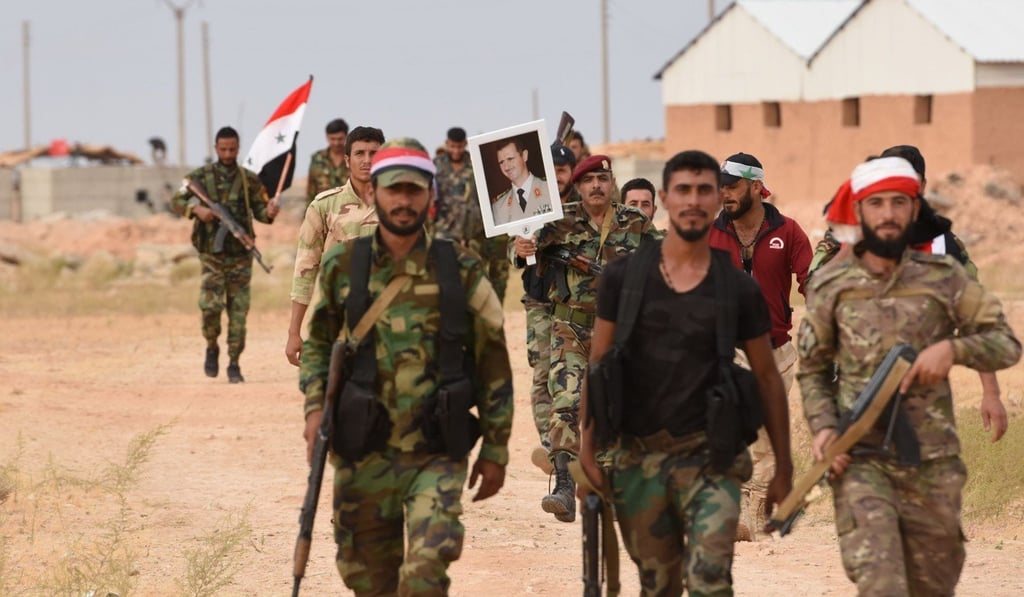
Russia has moved quickly to step into the void left in the Middle East by the US’ sudden withdrawal from Syria, but another world power is standing ready to seize the opportunities created by the major rebalancing under way in the region.
Russian President Vladimir Putin’s visits to Saudi Arabia and the United Arab Emirates this week were ostensibly about economics – with big-ticket investment agreements in energy, hi-tech and health care – but observers said they also underlined his geopolitical aims in the region.
Earlier this month, Putin described his “collective security” plan for the Middle East, which was submitted to the United Nations in July. Key to his proposal for a new security and cooperation organisation for the region is the participation of China and India, in addition to traditional geopolitical players from Europe and the United States.
China has expressed openness to the proposal for the region. Beijing has a high stake in Gulf security due its dependence on crude oil imports, as well as belt and road agreements with eight states in the region, including Iran.