India out but China and Asia-Pacific partners to press on with RCEP free trade pact
- President Xi Jinping says ‘China is willing to sign a high-standard free trade agreement with many more countries’
- Observers say deal could pave way for other opportunities

China’s drive to set up a sweeping Asia-Pacific trade pact has suffered a setback with India’s decision to not sign up, but it could also push Beijing towards a “higher-standard” free trade agreement, according to Chinese observers.
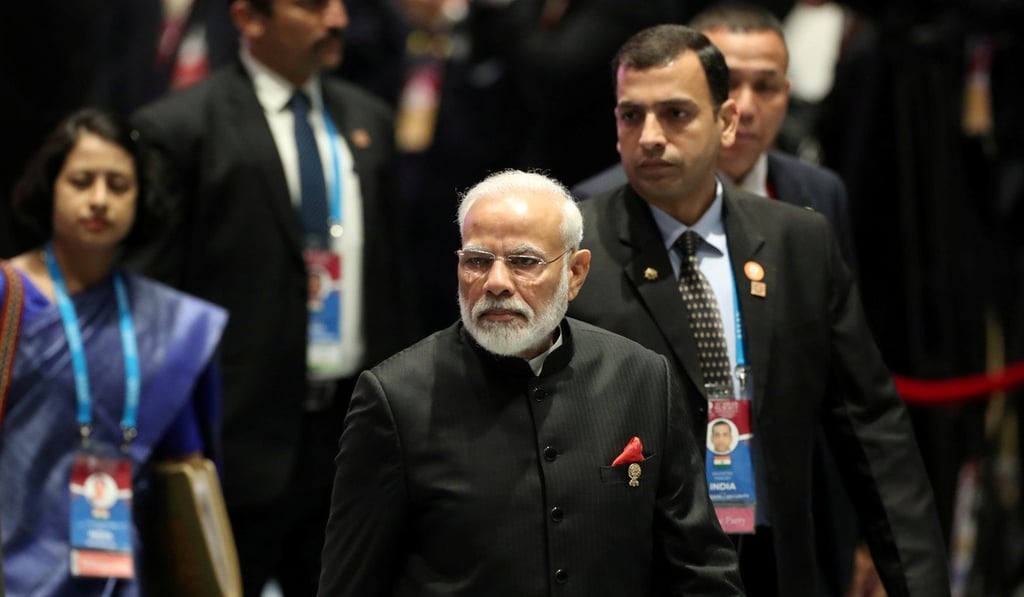
Indian Prime Minister Narendra Modi announced in Bangkok late on Monday that his country would withdraw from the China-backed Regional Comprehensive Economic Partnership (RCEP) because the deal could damage India’s national interests.
The announcement came as trade officials and leaders of the 10 members of the Association of Southeast Asian Nations (Asean) as well as China, Japan, South Korea, Australia, New Zealand and India, had gathered in the Thai capital in a last-minute effort to conclude a pact that would involve about 39 per cent of global GDP.
A statement from the remaining 15 countries said they would begin formal work towards signing the pact in 2020 while trying to address India’s objections.
Chinese leaders have broadly endorsed free trade principles, while state media has portrayed free trade deals as a part of Beijing’s commitment to domestic reform despite doubts that opening-up is taking place fast enough and going far enough.