How China’s demand for donkey skins risks ‘devastating impact’ on poor East African communities
- Hides are used to make traditional medicinal products, but campaigners fear it will fuel black market in stolen animals that will hit poor rural homes hardest
- Kenya is the only country in the region to license slaughterhouses, but donkeys from neighbouring countries are being killed to satisfy demand

Kenyan slaughterhouses for donkeys have turned the country into a hotspot for the global trade in their skins, which are a highly valued product in Chinese medicine.
But campaigners have warned that the decision could have a “devastating impact” on the lives of poor communities by creating a black market for the skins of stolen animals.
Others are smuggled from neighbouring countries such as Ethiopia, Uganda, Tanzania and South Sudan to supply the factories in Kenya, which is the only country in East Africa with licensed donkey abattoirs.
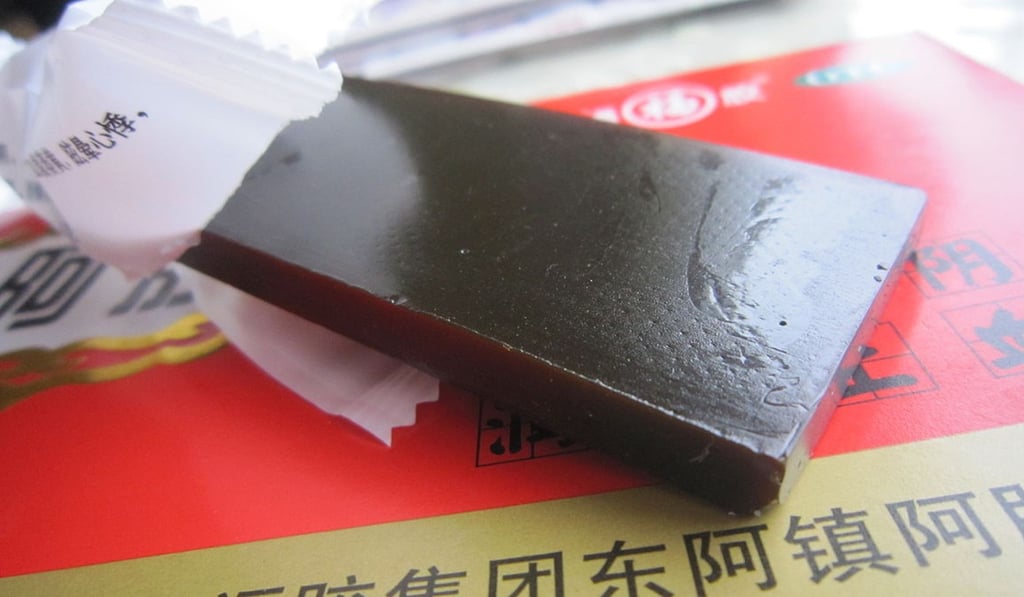
According to the activists, more than 1,000 donkeys are being slaughtered to supply China with donkey hide, which is made into gelatin called ejiao, a traditional remedy believed to improve blood circulation and treat conditions such as anaemia.
But many families that live in arid and semi-arid areas of East Africa depend on donkeys, which play a vital role as beasts of burden.